
NY Uninsured Driving: SR-22 Filing & Insurance Recovery Path
Compare Rates After a ViolationWhy New York Doesn't Use SR-22 After Uninsured Driving Convictions
New York eliminated SR-22 filing requirements in 1990, replacing the system with direct DMV insurance registration suspension and mandatory proof of coverage through DMV Form FS-20. If you're convicted of operating without insurance under VTL 319, your registration is suspended immediately and your insurer must file electronic proof of coverage directly with the DMV before reinstatement—not through an SR-22 certificate.
The conviction triggers two separate administrative actions. The DMV suspends your vehicle registration for one year minimum under VTL 510(4), and your insurance company files Form FS-20 verifying you now carry the state-required minimums: $25,000 per person, $50,000 per accident for bodily injury, and $10,000 for property damage. This filing stays active for three years from your conviction date.
Most carriers won't write new policies for drivers with active uninsured operation convictions. You'll typically enter the New York Automobile Insurance Plan (NYAIP), the state's assigned risk pool, where rates run 200-350% higher than standard market premiums. Standard-market access returns 36 months after your conviction if you maintain continuous coverage without additional violations.
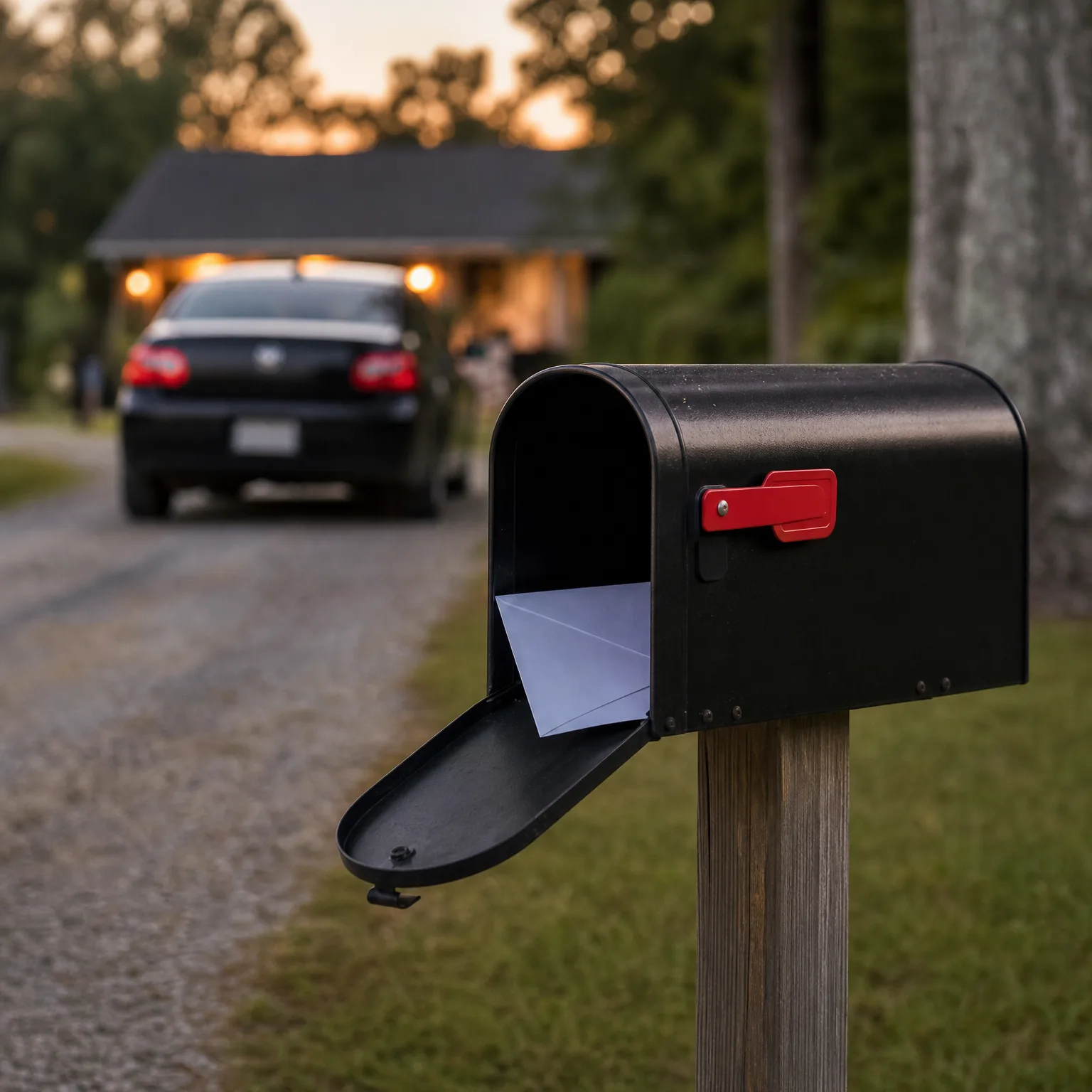
What Happens to Your Insurance the Day You're Convicted
Your current insurer receives notification of your conviction within 10 business days through the DMV's electronic reporting system. Most carriers apply immediate surcharges of 70-110% at your next policy renewal, but some non-renew entirely if you were uninsured at the time of the violation—their underwriting systems flag you as having operated without any coverage, which crosses most carriers' acceptable risk thresholds.
If you were driving someone else's vehicle without being listed on their policy, both you and the vehicle owner face registration suspension. The owner's insurer typically cancels the policy or removes the vehicle from coverage. You cannot reinstate your own registration until you're either listed as a driver on an active policy or purchase your own coverage and file proof with the DMV.
The conviction adds three points to your driving record under New York's point system, which stays visible to insurers for 36 months. The registration suspension lasts one year minimum, but reinstating registration requires active insurance—creating a scenario where you're paying for coverage on a vehicle you legally cannot drive for 12 months just to satisfy the DMV's proof requirement.


How DMV Form FS-20 Filing Works and Who Files It
Your insurance company files Form FS-20 electronically with the DMV once your policy is active and paid through at least the first term. The form verifies your coverage meets state minimums and includes your policy number, effective date, and vehicle identification. You don't file this yourself—the insurer submits it directly through the DMV's electronic filing system within 24-48 hours of binding coverage.
The DMV cross-references the FS-20 against your suspension record. If your registration suspension period has been satisfied and the proof filing is clean, reinstatement eligibility triggers automatically. You still must pay a $50 suspension termination fee and a $50 re-application fee at a DMV office before receiving new plates and registration documents.
Carriers providing assigned risk coverage through NYAIP file FS-20 forms as part of their state-mandated participation. Standard carriers rarely accept drivers with active uninsured operation convictions—your options narrow to assigned risk pools, non-standard insurers like Dairyland or The General, or specialty high-risk carriers operating in New York. All must file FS-20 to satisfy your reinstatement requirement, but policy terms and surcharge structures vary significantly.

Shop Again Before Your Next Renewal Hits
Compare Rates After a ViolationNYAIP Assigned Risk Coverage: Cost and Duration
New York Automobile Insurance Plan placement is mandatory for most drivers convicted of uninsured operation who cannot secure voluntary market coverage. NYAIP premiums average $3,200-$5,800 annually for minimum liability limits, compared to $1,200-$1,800 for standard-market drivers with clean records in the same county. Monthly costs run $265-$485.
You remain in NYAIP until you complete three years of continuous coverage from your conviction date without additional violations, at which point you can apply for voluntary market coverage. Some non-standard carriers accept transfers after 24 months if you've maintained clean payment history and avoided new moving violations. Each insurer sets its own eligibility window.
NYAIP coverage includes only state-required liability minimums unless you purchase optional collision and comprehensive at significantly elevated rates. Most drivers maintain minimum coverage during the assigned risk period, then upgrade limits once they transition back to standard markets. Missing a payment triggers automatic policy cancellation and resets your proof-of-coverage timeline, extending your assigned risk placement.

When Standard-Market Insurance Access Returns
Standard carriers re-evaluate eligibility 36 months after your conviction date if you've maintained continuous coverage without lapses exceeding 30 days and avoided additional moving violations. The three-year window measures from conviction date, not from registration reinstatement or insurance purchase date—meaning your clock starts the day the court enters judgment.
Some carriers offer early re-entry programs at 24 months for drivers who complete defensive driving courses approved by the DMV and maintain perfect payment history. These programs still apply violation surcharges of 35-55%, but rates drop significantly below assigned risk levels. Geico, Progressive, and Dairyland operate early-access underwriting in New York, though availability varies by county.
Your uninsured operation conviction remains visible on your MVR for three years but stops affecting insurance eligibility calculations after 36 months under most carriers' underwriting guidelines. The conviction itself stays on your public driving record permanently, but insurers use a rolling three-year lookback window when calculating risk tiers and surcharges. After the 36-month mark, you're re-underwritten as if the conviction doesn't exist—though your rate history and prior assigned risk placement may still influence your quoted premium.

Actions That Minimize Rate Impact in the Next 30 Days
Request quotes from non-standard carriers within 72 hours of conviction. Waiting until your current insurer non-renews limits your options to assigned risk placement, but binding coverage with a non-standard carrier before cancellation preserves voluntary market access at lower rates than NYAIP. Dairyland, The General, and National General actively compete for post-conviction drivers in New York.
Enroll in a DMV-approved defensive driving course immediately. Completing the six-hour course within 30 days of conviction reduces your point total by up to four points and may qualify you for a 10% premium reduction with some carriers. The course doesn't remove the conviction, but it signals risk mitigation to underwriters evaluating your application.
Purchase only state-required liability minimums until you exit assigned risk or transition to standard markets. Comprehensive and collision coverage in NYAIP or non-standard policies cost 180-240% more than standard-market rates for the same deductibles. Minimum coverage satisfies DMV proof requirements and preserves your reinstatement eligibility without inflating premiums unnecessarily during the highest-cost period.
Frequently Asked Questions
Does New York require SR-22 insurance after driving without coverage?
No, New York abolished SR-22 requirements in 1990. Instead, the DMV suspends your registration and requires your insurer to file Form FS-20 electronically, which verifies you now carry state-required liability minimums. This filing stays active for three years from your conviction date.
How long does uninsured driving conviction affect my New York insurance rates?
The conviction affects rates for 36 months from the date of conviction. Most carriers apply surcharges of 70-110% during this period, with assigned risk pool rates running 200-350% above standard market premiums. After three years of continuous coverage without new violations, standard-market access typically returns.
Can I get regular insurance in New York with an uninsured driving conviction?
Standard carriers rarely accept new applicants with active uninsured operation convictions. Most drivers enter the New York Automobile Insurance Plan (assigned risk pool) or use non-standard carriers like Dairyland or The General until completing 24-36 months of continuous coverage without additional violations.
What happens if I don't get insurance after an uninsured driving conviction in NY?
Your registration suspension remains in effect indefinitely until you purchase coverage and your insurer files Form FS-20 with the DMV. Driving on a suspended registration is a separate criminal offense carrying fines up to $1,000, potential jail time, and additional license suspension of up to 180 days.
How much does insurance cost in New York after uninsured driving conviction?
NYAIP assigned risk coverage averages $265-$485 monthly for minimum liability limits. Non-standard carriers charge $180-$340 monthly depending on your county, age, and vehicle type. Standard market rates return after 36 months of clean coverage history, dropping to approximately $100-$150 monthly.
Related Articles

NY Car Insurance After License Suspension Guide
5/17/2026

Ohio Uninsured Driving: SR-22 Path & Carrier Access
5/17/2026

NY Car Insurance After First DUI: Rates & Carriers
5/17/2026

SR-22 After CA Uninsured Driving: Filing Path
5/17/2026

Car Insurance After Uninsured Driving in Michigan
5/17/2026

Car Insurance After Uninsured Driving in Pennsylvania
5/17/2026