
Delivery Driving With SR-22: What Carriers Actually Check
Compare Rates After a ViolationSR-22 Filing Activates Commercial-Use Screening Most Drivers Miss
SR-22 filing places your policy under enhanced underwriting review at every renewal and mid-term change, meaning carriers pull your MVR more frequently and cross-reference your stated annual mileage against your violation history, employment disclosures, and claims patterns. For delivery drivers, this creates a specific trap: personal auto policies exclude coverage for commercial activity, and SR-22 filing gives carriers repeated opportunities to discover unreported gig work that standard policies never scrutinize closely.
Most carriers ask about annual mileage and vehicle use during the initial quote, but SR-22 drivers face follow-up questions at 6-month and 12-month renewal cycles that probe for income-generating use. If your stated mileage exceeds 15,000 miles annually or your employment section lists rideshare or delivery platforms, underwriters flag your policy for commercial-use review. Progressive, GEICO, and State Farm all apply this threshold, though enforcement varies by state.
The critical window is the 30-60 days after SR-22 filing when carriers conduct initial policy audits. If you're already doing delivery work, this is when you must disclose it or risk retroactive coverage denial. Waiting until renewal means any accident during that gap period gets reviewed under the policy terms you signed—which explicitly exclude commercial use.

What Counts as Commercial Use Under Personal Auto Policies
Personal auto policies define commercial use as any activity where you transport goods or people for compensation, including DoorDash, Uber Eats, Instacart, Amazon Flex, and similar gig platforms. The exclusion applies whether you're actively on a delivery or simply have the app open and available. Most carriers write this broadly: any period during which the vehicle is available for hire falls outside personal policy coverage.
Carriers don't care whether delivery driving is your full-time job or weekend side income. The distinction is binary: compensated use versus personal use. A single delivery shifts your risk profile from personal driver to commercial operator, which personal policies explicitly exclude. This matters for SR-22 drivers because violation surcharges already place you in a higher-scrutiny underwriting tier where policy exclusions get enforced aggressively.
Some drivers assume occasional delivery work falls under a gray area. It doesn't. If you earn money transporting goods, you're engaged in commercial activity the moment you accept the delivery request. The frequency or income amount is irrelevant to the policy exclusion.

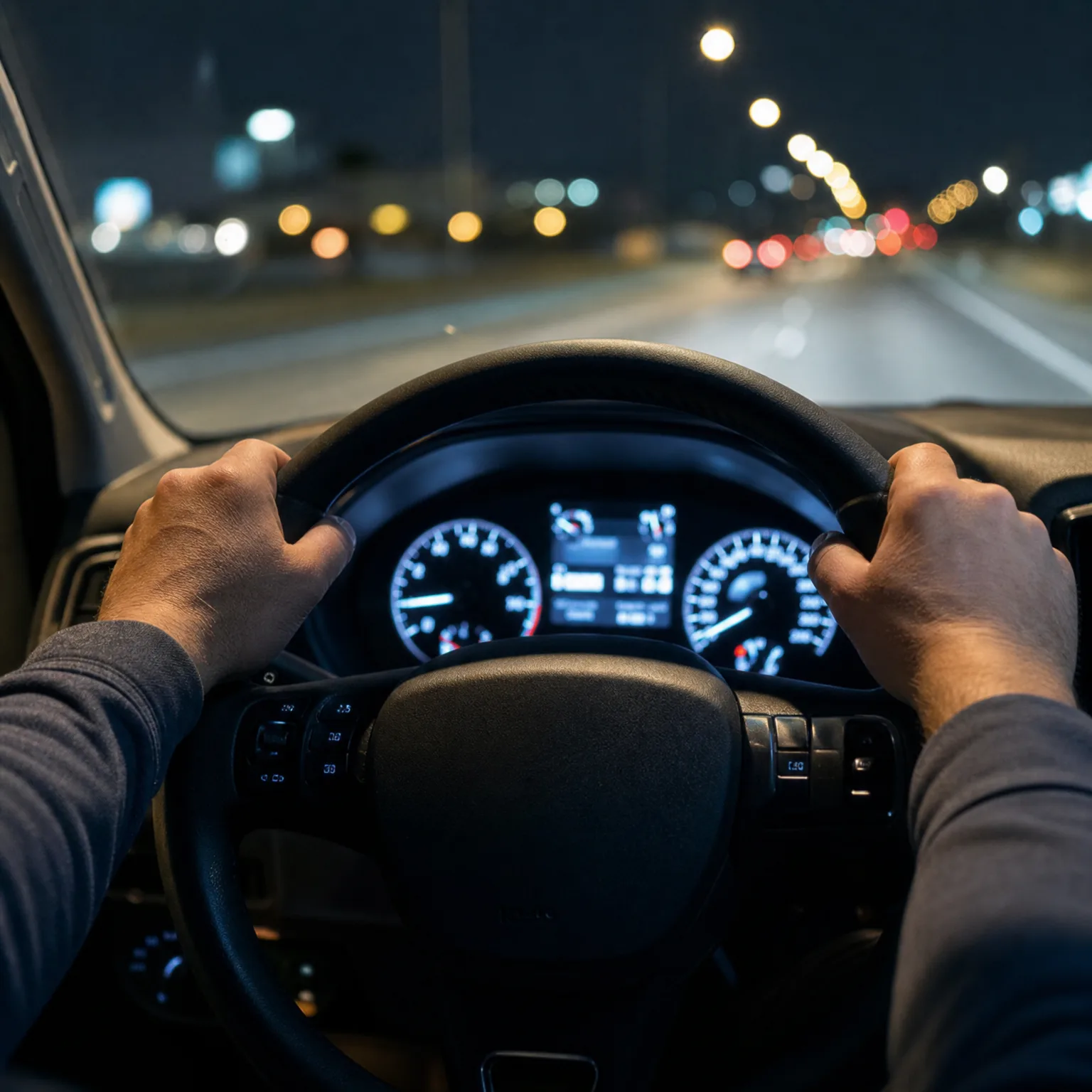
How Carriers Discover Unreported Delivery Work After SR-22 Filing
Carriers discover unreported gig work through four primary channels: claims investigation, mileage audit triggers, employment verification requests, and third-party data aggregators that track gig platform participation. The most common discovery path is claims investigation—you file a claim for an accident that occurred while delivering, the adjuster pulls your phone location data or reviews the police report noting commercial activity, and coverage gets denied retroactively.
Mileage audits trigger when your odometer reading at inspection or claim time exceeds your stated annual mileage by more than 20%. SR-22 policies often require annual odometer verification, creating built-in checkpoints where high mileage raises commercial-use questions. If you stated 12,000 miles annually but your odometer shows 25,000 miles of actual use, underwriters request employment verification and app-based income documentation.
Some carriers now purchase data from LexisNexis and Verisk that tracks gig economy participation by cross-referencing driver license numbers against platform rosters. This practice isn't universal yet, but it's expanding. GEICO and Progressive have both disclosed using third-party employment databases in underwriting, particularly for high-risk drivers under SR-22 requirements.
The Claims Denial Scenario Most Gig Workers Don't Expect
The worst-case discovery scenario unfolds like this: you're between deliveries, app closed, driving home when another driver rear-ends you at a stoplight. You file a claim under your personal SR-22 policy. During investigation, the adjuster discovers you earned gig income that day, requests your delivery app records, and finds you completed a delivery 15 minutes before the accident. Coverage denied—not because you were actively delivering at the moment of impact, but because the policy excludes any period during which the vehicle is used for commercial purposes, and same-day delivery activity establishes commercial use.
This isn't a theoretical edge case. Carriers apply the exclusion to any accident occurring on days when you performed delivery work, arguing that commercial use extends to the entire period the vehicle is being used for income-generating activity, including transit between deliveries. Some drivers have successfully challenged this interpretation in court, but the legal battle happens after you've already paid out-of-pocket for damages the policy should have covered.
SR-22 drivers face sharper consequences because violation history already places you one claim away from non-renewal or mid-tier market reclassification. A denied claim doesn't just leave you paying for damages—it creates an underwriting flag that follows you when shopping for new coverage.
Shop Again Before Your Next Renewal Hits
Compare Rates After a Violation
Disclosure Timing and the 30-Day Window After SR-22 Filing
If you're already doing delivery work when SR-22 filing begins, you have a 30-day window to request a policy endorsement or switch to a rideshare-hybrid policy that covers gig activity. Most carriers won't allow you to add commercial coverage mid-term to a standard personal policy, but they will let you cancel and rewrite under a different product line—if you disclose before they discover the commercial use independently.
Progressive offers a rideshare/delivery endorsement in 47 states that extends personal policy coverage to include periods when you're logged into gig apps but haven't accepted a delivery. The endorsement costs $10-$30/month depending on state and driving history, but it eliminates the coverage gap that causes claim denials. State Farm and GEICO offer similar products, though availability varies by state and underwriting tier.
The disclosure must happen before the first post-SR-22 renewal. If your carrier discovers commercial use at renewal through mileage audit or employment verification, they'll non-renew your policy rather than offer an endorsement. That non-renewal appears on your CLUE report and increases premiums with your next carrier by 15-25% on top of existing SR-22 surcharges.
SR-22 Rideshare Policies Cost 40-80% More Than Standard SR-22 Coverage
Rideshare-hybrid policies that cover both personal use and gig delivery work cost substantially more than standard personal SR-22 policies—typically 40-80% higher premiums depending on state and carrier. A driver paying $180/month for standard SR-22 liability coverage would pay $250-$320/month for the same limits under a rideshare-endorsed policy. The surcharge reflects the increased exposure carriers assume by covering commercial activity.
Not all carriers offer rideshare or delivery endorsements to SR-22 drivers. USAA, Travelers, and Nationwide generally decline to write hybrid policies for drivers with active SR-22 requirements, forcing those drivers into non-standard market insurers like The General, Direct Auto, or SafeAuto. Non-standard rideshare policies run $300-$450/month for state minimum liability, with no collision or comprehensive options in many states.
Some drivers attempt to maintain two separate policies: a personal SR-22 policy for commuting and a commercial policy for delivery work. This strategy fails because SR-22 filing requires continuous coverage on the vehicle listed in the filing, and splitting coverage between two policies creates gaps that trigger SR-22 non-compliance notices to the DMV.
Which Carriers Write SR-22 Policies for Active Delivery Drivers
Progressive writes the most SR-22 rideshare policies nationally, offering delivery endorsements in 47 states with SR-22 surcharges applied on top of the commercial-use premium. GEICO offers limited rideshare coverage in 23 states but excludes drivers with DUI violations or suspended license history from eligibility. State Farm writes hybrid policies in 38 states but applies strict mileage caps—typically under 20,000 annual miles—that disqualify full-time gig workers.
Non-standard carriers like The General, Direct Auto, and Acceptance Insurance write SR-22 policies for delivery drivers in most states, but coverage is expensive and often limited to state minimum liability. These policies rarely include collision or comprehensive coverage, meaning you're paying out-of-pocket for vehicle damage even in not-at-fault accidents. Monthly premiums for non-standard SR-22 delivery policies range from $280 to $450 depending on violation severity and state requirements.
Some regional carriers offer better rates than national non-standard insurers. Dairyland and National General both write SR-22 rideshare policies in states where they're licensed, often 15-25% cheaper than The General for comparable coverage. Availability varies significantly by state—Dairyland operates in 45 states but restricts SR-22 rideshare policies to 18 states where loss ratios support the product.
Frequently Asked Questions
Can I do DoorDash with an SR-22 requirement on my license?
Yes, but you must carry a personal auto policy with a delivery or rideshare endorsement that explicitly covers gig work—standard personal SR-22 policies exclude commercial activity and will deny claims for accidents occurring on days you performed deliveries. Progressive, GEICO, and State Farm offer rideshare endorsements in most states, though premiums run 40-80% higher than standard SR-22 coverage.
What happens if I don't tell my SR-22 insurer I do delivery driving?
Your carrier will deny coverage for any accident they later discover occurred during or near delivery activity, leaving you personally liable for all damages and medical costs. SR-22 policies undergo enhanced underwriting review at every renewal, creating multiple discovery opportunities through mileage audits, claims investigation, and third-party employment databases that track gig platform participation.
Does SR-22 filing make it harder to get approved for gig delivery platforms?
No, delivery platforms like DoorDash and Uber Eats don't check your SR-22 status during driver onboarding—they only verify you hold active auto insurance and a valid license. The problem is securing insurance that actually covers you while working, which requires a rideshare-endorsed policy that costs substantially more than standard SR-22 coverage.
How much does SR-22 insurance cost for delivery drivers?
Standard-market SR-22 rideshare policies cost $250-$380/month for state minimum liability depending on state and violation history, running 40-80% higher than personal-use SR-22 policies. Non-standard carriers charge $300-$450/month but often limit coverage to liability-only with no collision or comprehensive options.
Will my insurance cover me between deliveries if I have a rideshare endorsement?
Yes, rideshare endorsements extend coverage to three periods: personal use, app-on-but-waiting-for-delivery, and active delivery. This eliminates the coverage gap that exists under standard personal policies, which exclude any period the vehicle is used for commercial purposes including transit time between gig work sessions.
Related Articles
Rideshare Driving with SR-22: Coverage Requirements
5/17/2026

SR-22 Filing Ends in 30 Days: Rate-Shop Window Opens
5/17/2026
Paid-in-Full Discount with SR-22: When It Works
5/17/2026

Multi-Policy Discounts With SR-22: What Actually Applies
5/17/2026
Job Loss With SR-22: How to Maintain Filing Status
5/17/2026
SR-22 After CA Uninsured Driving: Filing Path
5/17/2026