
DUI on a Snowmobile: Auto Insurance Reporting Rules
Compare Rates After a ViolationDo Snowmobile DUIs Appear on Your Driving Record?
Snowmobile DUI convictions appear on your motor vehicle record in 38 states because operating any motorized vehicle while impaired—including off-road recreational vehicles—falls under state DUI statutes that don't distinguish between roadway and trail operation. Your state DMV adds the conviction using the same point structure and lookback window as a roadway DUI, typically 3-7 years depending on jurisdiction.
Twelve states treat snowmobile DUIs as separate administrative violations that don't merge into your standard driving record. These convictions appear in recreational vehicle databases accessible to law enforcement and state agencies but don't automatically transfer to the MVR that auto insurers pull during underwriting. Alaska, Maine, Michigan, Minnesota, Montana, New Hampshire, North Dakota, South Dakota, Vermont, Wisconsin, and Wyoming operate parallel conviction tracking systems for off-road vehicles.
The gap between conviction and MVR entry creates a 30-90 day window where your current insurer hasn't discovered the violation yet. Carriers pull updated records at renewal, after a claim, or during mid-term re-underwriting triggered by policy changes. If you're convicted in May and your renewal is in November, your current insurer won't see the conviction until they pull your record at the October renewal review.

Which Carriers Surcharge Snowmobile DUIs as Roadway Violations?
State Farm, Allstate, Nationwide, and Travelers apply identical surcharge tiers to snowmobile DUIs as roadway DUIs—meaning a snowmobile OUI conviction triggers the same 70-130% premium increase as a standard DUI. These carriers use MVR data without distinguishing vehicle type or operation context. If the conviction code matches state DUI statutes, their underwriting systems apply major violation pricing regardless of where or what you were operating.
Progressive, GEICO, and Liberty Mutual use modified pricing tiers for off-road DUI convictions in states that classify them separately. Surcharges range from 22-45% instead of the 70-130% roadway DUI penalty, applying the same multiplier structure as reckless driving or multiple speeding violations. These carriers cross-reference conviction codes against state recreational vehicle databases to distinguish trail operation from roadway operation.
Nine states prohibit insurers from surcharging auto policies for off-road vehicle convictions entirely. California, Hawaii, Massachusetts, New Jersey, New York, North Carolina, Pennsylvania, Rhode Island, and Washington bar carriers from using snowmobile, ATV, or dirt bike violations in auto insurance underwriting unless the violation occurred on a public roadway. If you're convicted of snowmobile DUI in these states, your auto insurance rate cannot legally increase—but your recreational vehicle insurance or standalone snowmobile policy will be surcharged or non-renewed.


When Should You Report the Conviction to Your Insurer?
Most auto insurance policies don't require you to report violations between renewal periods—carriers discover them when they pull your updated MVR at renewal. Thirty-four states allow carriers to include policy language requiring immediate notification of major violations including DUI, but enforcement is inconsistent and penalties typically apply only if you file a claim before renewal and failed to disclose.
If your policy includes a notification clause and you're convicted of snowmobile DUI, you face a decision window before your next MVR pull. Reporting immediately gives your current carrier 30-60 days to reprice or non-renew you, but failing to report and getting caught after a claim can trigger retroactive coverage denial. Read your declarations page notification requirements—language typically appears under "Policyholder Duties" or "Required Disclosures."
The strategic reporting window exists only in states where snowmobile DUIs don't automatically appear on your standard MVR. If you're in one of the twelve states using separate recreational vehicle conviction tracking, and your current carrier doesn't cross-reference those databases, you may reach renewal without the violation surfacing. That doesn't eliminate the conviction—it delays discovery until you apply for new coverage or your current carrier updates their data sources.

Shop Again Before Your Next Renewal Hits
Compare Rates After a ViolationHow Shopping Timing Affects Your Rate After Conviction
Carriers price violations differently at discovery versus renewal. If your current insurer discovers a snowmobile DUI mid-term—through an MVR pull triggered by a claim, policy change, or random audit—they apply immediate repricing and evaluate non-renewal using in-term underwriting criteria that are stricter than renewal standards. You'll receive 30-60 days notice before cancellation in most states, forcing you into the high-risk market with limited comparison time.
Shopping before your current insurer discovers the conviction preserves standard-market access with carriers who haven't pulled your updated MVR yet. If you're convicted in March and your renewal is in September, binding new coverage in April or May means your new carrier underwrites you based on your pre-conviction record. They'll discover the violation at your first renewal with them, but you've already passed initial underwriting and established the policy—mid-term cancellation for a violation that occurred before binding is prohibited in 43 states.
This window closes when your conviction posts to your MVR, typically 15-45 days after sentencing. Once posted, every carrier pulling your record sees it regardless of application timing. The strategic advantage exists only in the gap between conviction and MVR entry, and only if your current insurer hasn't pulled an updated record yet. After your first renewal post-conviction, all carriers price you identically using the same violation lookback period.

What Defensive Driving and SR-22 Rules Apply?
Eighteen states allow defensive driving course completion to reduce DUI-related surcharges, but only six—Florida, Indiana, Louisiana, Ohio, Texas, and Virginia—explicitly include snowmobile and off-road DUIs in their point reduction or insurance discount programs. Completing a state-approved course within 90 days of conviction can remove 2-3 points from your MVR or trigger a mandatory 10% base rate reduction, depending on whether your state regulates the discount as statutory or voluntary.
SR-22 filing requirements for snowmobile DUI convictions vary by state fault system and administrative suspension rules. If your snowmobile DUI triggered a license suspension—common in states where refusal to submit to chemical testing applies to all motorized vehicles—you'll need SR-22 or FR-44 filing to reinstate. The filing period runs 3-5 years from reinstatement date, not conviction date, and applies to your auto policy even though the underlying violation occurred off-road.
Carriers that write SR-22 coverage for roadway DUIs don't always accept SR-22 filings tied to recreational vehicle convictions. Progressive, GEIC, and The General accept both. State Farm and Allstate restrict SR-22 filings to roadway violations in 22 states, forcing you into non-standard markets even if your underlying violation qualifies for standard pricing.
How Long the Violation Affects Your Insurance Rate
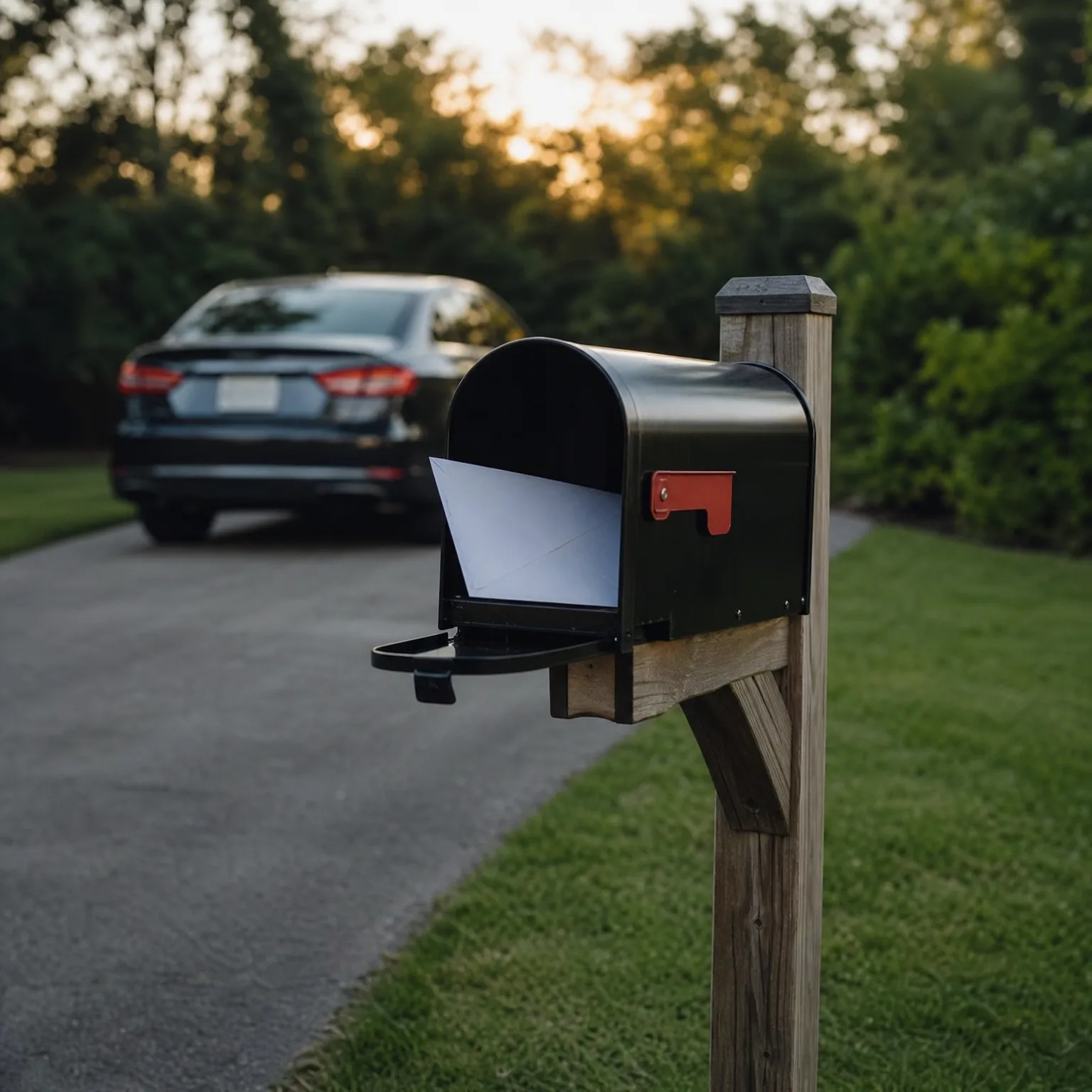
Auto insurance surcharges for snowmobile DUI convictions follow the same lookback windows as roadway DUIs—typically 3-5 years depending on state regulation and carrier underwriting policy. California, Massachusetts, and North Carolina mandate 3-year lookback periods. Most other states allow carriers to surcharge for 5 years, with some permitting indefinite consideration for major violations.
Carriers reassess your violation surcharge at three specific checkpoints: your first renewal after discovery (typically 12-18 months post-conviction), your 36-month policy anniversary, and your final lookback anniversary when the conviction ages out of the carrier's underwriting window. Rate decreases don't happen smoothly over time—they occur in 15-25% increments at these renewal checkpoints as you move from high-risk tiers back toward standard pricing.
Nine states have no statutory lookback ceiling, allowing carriers to consider DUI convictions indefinitely. Michigan, Montana, Nevada, New Mexico, North Dakota, Oklahoma, South Dakota, West Virginia, and Wyoming permit carriers to price major violations beyond the standard 5-year window. If you're convicted of snowmobile DUI in these states, expect surcharges to persist 7-10 years with some carriers, particularly if you have multiple violations or prior alcohol-related incidents on your record.
Frequently Asked Questions
Does a snowmobile DUI count the same as a car DUI for insurance?
In 38 states, snowmobile DUI convictions appear on your motor vehicle record using the same point structure and lookback period as roadway DUIs, and most major carriers apply identical 70-130% surcharges. Nine states prohibit insurers from surcharging auto policies for off-road convictions, and twelve states track them separately so they may not surface during standard MVR pulls.
Will my auto insurance company find out about a snowmobile DUI?
Your insurer discovers snowmobile DUI convictions when they pull your updated MVR at renewal, after a claim, or during mid-term policy changes—typically 30-90 days after sentencing when the conviction posts to your state driving record. In twelve states that use separate recreational vehicle conviction databases, discovery depends on whether your carrier cross-references those systems.
Can I get SR-22 insurance after a snowmobile DUI?
If your snowmobile DUI triggered a license suspension requiring SR-22 filing, you need SR-22 coverage on your auto policy even though the violation occurred off-road. Progressive, GEICO, and The General accept SR-22 filings for recreational vehicle DUIs, but State Farm and Allstate restrict filings to roadway violations in 22 states, forcing you into non-standard markets.
How long does a snowmobile DUI affect my car insurance rates?
Snowmobile DUI surcharges last 3-5 years in most states, following the same lookback windows as roadway DUI convictions. Carriers reassess your rate at 12-month, 36-month, and final lookback anniversaries, reducing surcharges in 15-25% increments as you move back toward standard pricing tiers.
Related Articles

ATV DUI: Auto Insurance Reporting Rules by State
5/17/2026

Moped DUI & Auto Insurance: Rate Impact by State
5/17/2026
Tribal Land DUI: State Insurance Reporting Rules
5/17/2026

Bicycle DUI: Auto Insurance Impact by State
5/17/2026

BUI & Boat DUI: Auto Insurance Rate Impact Explained
5/17/2026

DUI on Electric Scooter: State Insurance Impact
5/17/2026