
GEICO After Speeding Ticket: Rate Impact and Tier Movement
Compare Rates After a ViolationHow GEICO Prices Speeding Tickets by Underwriting Tier
GEICO doesn't apply a flat percentage increase after a speeding ticket—they reassess your entire underwriting tier based on combined violation severity, driving history, and state point assignments. A single 15-over ticket might trigger a 22% increase for a driver in GEICO's preferred tier with no prior violations, but the same ticket pushes a driver with one prior incident into standard tier pricing, creating a 45-60% total increase that reflects tier movement, not just the violation surcharge.
The carrier segments drivers into preferred, standard, and non-standard tiers using violation count and severity thresholds that vary by state. Most states follow a 0-violation preferred model, 1-2 minor violations standard model, and 2+ violations or 1 major violation non-standard model. Once you move down a tier, you stay there for 36 months minimum even if the violation drops off your MVR earlier.
This tier structure explains why two drivers with identical speeding tickets see wildly different rate increases. The ticket severity matters, but your pre-violation tier position and proximity to the next tier threshold determine your actual cost. A 10-over ticket for a clean-record preferred driver costs $18-26/month more. The same ticket for a driver already at standard tier with one prior incident costs $64-89/month more because it triggers non-standard tier placement in most states.

What Determines Your Surcharge Percentage at GEICO
GEICO applies surcharges using a speed-over-limit tier system: 1-9 mph over triggers 12-18% increases, 10-14 mph over jumps to 20-28%, 15-19 mph over hits 28-38%, and 20+ mph over reaches 40-55%. These percentages apply to your base premium before the tier reassessment, meaning the ticket affects your rate twice—once as a direct surcharge and again if it changes your underwriting tier.
State point systems modify these base percentages. Virginia assigns 3-4 points for most speeding violations, Michigan uses a 2-4 point scale, and California operates on a violation count system without numeric points. GEICO weighs these state assignments differently—a 3-point ticket in Virginia typically costs less than a 3-point ticket in North Carolina because GEICO's actuarial tables treat state point systems as independent risk indicators, not universal scales.
Your combined driving history over the past 36 months determines which surcharge percentage GEICO actually applies. A first-time 15-over violation in Georgia typically triggers a 28% increase for preferred tier drivers. A second violation within 24 months—even if minor—often doubles that surcharge to 52-60% because GEICO's model treats violation frequency as a stronger risk predictor than individual severity.

When GEICO Discovers Your Ticket and Applies the Increase
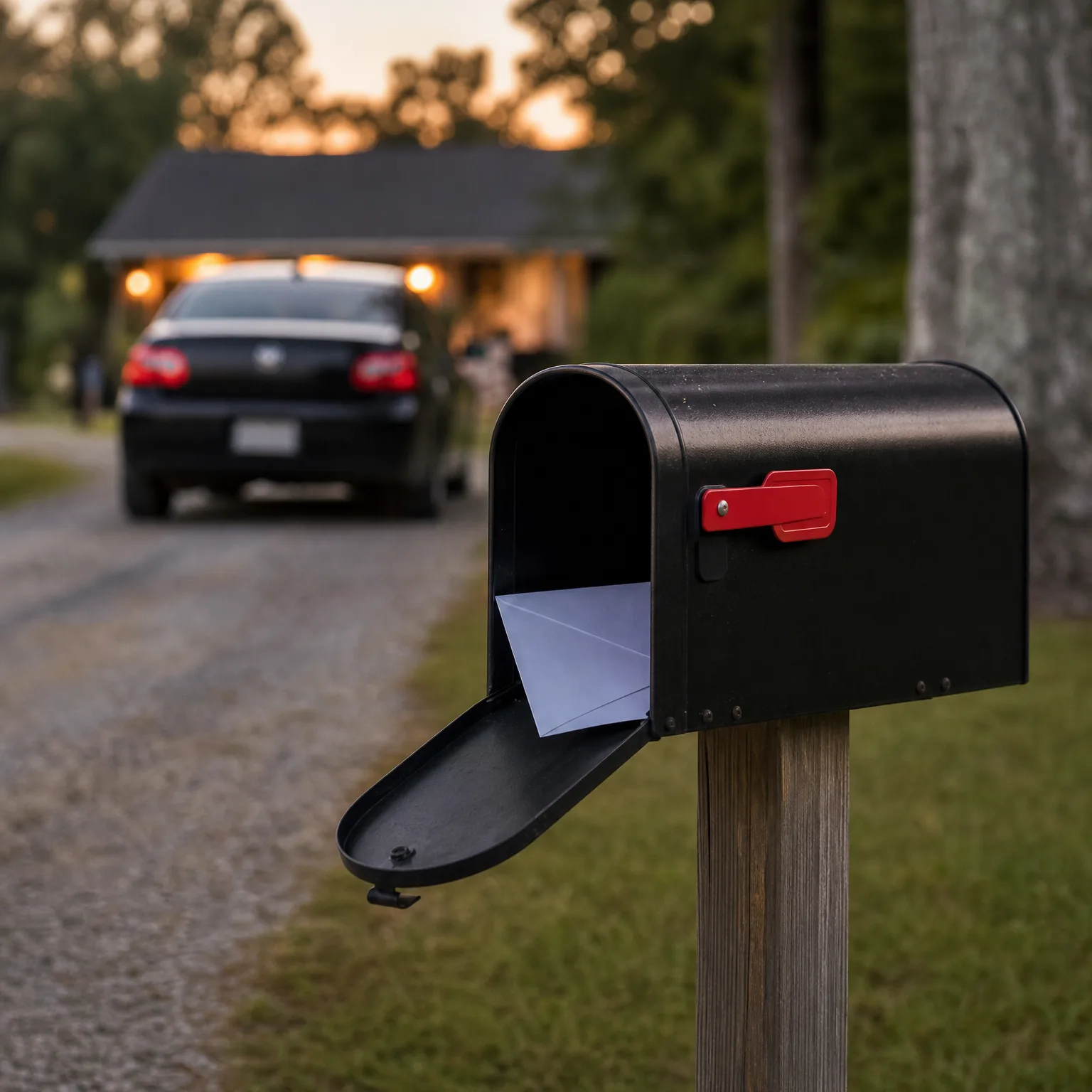
GEICO pulls motor vehicle records at three specific moments: policy binding, renewal, and triggered mid-term checks after accidents or claims. Most speeding ticket surcharges appear at your next renewal cycle, typically 30-180 days after the violation depending on when it occurred in your policy term. If you're cited two months before renewal, the surcharge hits at renewal. If you're cited one week after renewal, you have nearly six months before GEICO prices it in.
Mid-term discovery happens if you file a claim or if state regulators mandate immediate reporting for certain violation types. GEICO does not run continuous MVR monitoring for standard auto policies—they rely on renewal cycles and claim-triggered checks. This creates a 30-90 day window after your ticket where your current rate remains unchanged and GEICO has not yet repriced your policy.
Once GEICO applies the surcharge, it persists for 36 months from the violation date in most states, regardless of when your state removes points from your driving record. California removes points after 39 months, but GEICO maintains surcharges for 36. Michigan removes points after 24 months, but GEICO's surcharge stays active for 36. The carrier's lookback window operates independently of state point expiration rules.

Shop Again Before Your Next Renewal Hits
Compare Rates After a ViolationActions That Reduce Your Rate Faster Than Waiting
Completing a state-approved defensive driving course before GEICO applies the surcharge can reduce the increase by 10-15% in states that mandate insurer recognition of course completion. Florida, New York, and Texas require carriers to apply discounts or point reductions after course completion, creating immediate savings. Georgia, California, and Virginia treat defensive driving as optional, meaning GEICO may reduce your surcharge or may ignore the course entirely depending on your underwriting tier.
Shopping competitors during the 30-90 day window between your ticket and GEICO's next MVR pull sometimes produces lower rates than waiting for GEICO to reprice you. State Farm and Allstate use different tier thresholds than GEICO—a violation that drops you to GEICO standard tier might keep you in State Farm preferred tier if their model weighs violation severity differently. This window closes once GEICO reprices your policy, because at that point all carriers see the same violation and apply similar increases.
Increasing your deductible from $500 to $1,000 offsets 8-12% of the violation surcharge for most drivers. GEICO's model allows you to modify coverage at renewal even after a violation, and higher deductibles reduce your base premium before the surcharge percentage applies. A $600/year base premium with a 30% surcharge costs $780/year. Raise your deductible to cut base premium to $530/year, and the same 30% surcharge costs $689/year—a $91/year savings that compounds over the 36-month surcharge period.

How Long the Surcharge Lasts on Your GEICO Policy
GEICO maintains violation surcharges for 36 months from the violation date, not the conviction date or discovery date. A ticket received on March 15, 2024 stays surcharged until March 15, 2027, even if you complete defensive driving, even if your state removes points earlier, and even if GEICO doesn't discover it until your renewal six months later. The 36-month clock starts when the violation occurs.
Some states mandate shorter lookback windows that override GEICO's standard 36-month policy. Massachusetts limits surcharges to 30 months, Michigan to 36 months, and California to 39 months. GEICO applies whichever window is shorter—state-mandated or their internal underwriting rule. Most states allow carriers to set their own windows, and GEICO defaults to 36 months in those markets.
After 36 months, the surcharge drops automatically at your next renewal. GEICO does not require you to request removal or submit proof of a clean record. The violation remains visible on your MVR for 3-7 years depending on state, but it no longer affects your GEICO premium once the 36-month window closes. Your underwriting tier may improve at that renewal if the expired violation was your only recent incident.

Whether Switching Carriers After a Ticket Saves Money
Switching carriers immediately after a speeding ticket sometimes produces savings of 15-35% compared to staying with GEICO, but only if you switch before GEICO reprices your policy at renewal. Once GEICO applies the surcharge, competitors see the same violation on your MVR and apply similar increases. The savings window exists only during the gap between your ticket and GEICO's next MVR pull.
Progressive and Nationwide often price post-violation drivers 12-20% lower than GEICO in standard tier because they use violation frequency models that treat a single speeding ticket as lower risk than GEICO's tier-drop approach. State Farm's pricing advantage disappears if you have multiple violations—they surcharge second violations more aggressively than GEICO in most states. The carrier that offers the lowest rate depends on your specific violation count, severity, and state.
Switching makes the most sense if your ticket pushes you from GEICO preferred to standard tier. That tier movement creates a 40-60% total increase that competing carriers may not replicate if their tier thresholds allow you to stay in preferred pricing. If you're already in GEICO standard tier and the ticket keeps you there, competitor pricing typically matches GEICO within 10-15% because you're all being quoted standard tier rates across the market.
Frequently Asked Questions
How much does GEICO raise rates after a speeding ticket?
GEICO typically increases rates 12-18% for tickets 1-9 mph over the limit, 20-28% for 10-14 over, and 28-38% for 15-19 over, but your actual increase depends on whether the ticket changes your underwriting tier. A tier drop from preferred to standard can create total increases of 40-60% that combine the violation surcharge with higher base tier pricing.
How long does a speeding ticket affect my GEICO insurance?
GEICO applies violation surcharges for 36 months from the ticket date in most states. The surcharge drops automatically at your next renewal after 36 months, even if the violation remains on your driving record longer. State-mandated lookback windows in Massachusetts and California may shorten this period.
Will GEICO drop me after a speeding ticket?
GEICO rarely cancels policies for a single speeding ticket unless it's combined with other violations or you're already in non-standard tier. Most drivers stay insured but move to a higher-cost tier. Two major violations or three minor violations within 36 months typically trigger non-renewal in standard tier policies.
Can I reduce my GEICO rate after a speeding ticket?
Completing a state-approved defensive driving course before GEICO reprices your policy can reduce surcharges by 10-15% in Florida, New York, and Texas, where carriers must recognize course completion. Raising your deductible from $500 to $1,000 offsets 8-12% of the surcharge by lowering your base premium before the percentage increase applies.
Should I switch from GEICO after getting a speeding ticket?
Switch if your ticket drops you from GEICO preferred to standard tier and you can find a competitor who keeps you in preferred pricing—this can save 15-35%. Shop quotes during the 30-90 day window between your ticket and GEICO's next renewal, before they reprice your policy. After GEICO applies the surcharge, all carriers see the same violation and price similarly.
Related Articles

GA Speeding 1-15 Over: 2-Point Ticket Insurance Math
5/17/2026

Progressive After Speeding Ticket: Rate Impact Guide
5/17/2026

GEICO After At-Fault Accident: Rate Increase Range
5/17/2026

Speeding 1-15 Over in Ohio: 2-Point Rate Impact
5/17/2026

Speeding 1-15 Over Texas: Surcharge & Rate Impact
5/17/2026

CA Speeding 16-30 Over: 1-Point and Rate Impact
5/17/2026