
Red Light Camera Ticket in New York: No Points, No Record
Compare Rates After a ViolationWhy New York Red Light Camera Tickets Don't Affect Your Insurance
New York issues red light camera violations as civil penalties under Vehicle and Traffic Law Section 1111-a, not moving violations. The ticket goes to the registered vehicle owner regardless of who was driving, carries a $50 fine, and generates zero points on your driving record.
Because the violation isn't reported to the DMV as a moving violation, carriers never see it during policy underwriting or renewal. Your insurance company pulls your Motor Vehicle Record at renewal and discovery checkpoints, but camera violations don't appear there. No points, no MVR entry, no surcharge.
This is fundamentally different from a red light ticket issued by an officer during a traffic stop. Officer-issued red light violations in New York are moving violations that add 3 points to your license and trigger insurance surcharges ranging from 20-40% depending on your carrier and current tier. The same intersection, the same action, but completely different insurance consequences based on enforcement method.
What Happens If You Ignore a Red Light Camera Ticket in New York
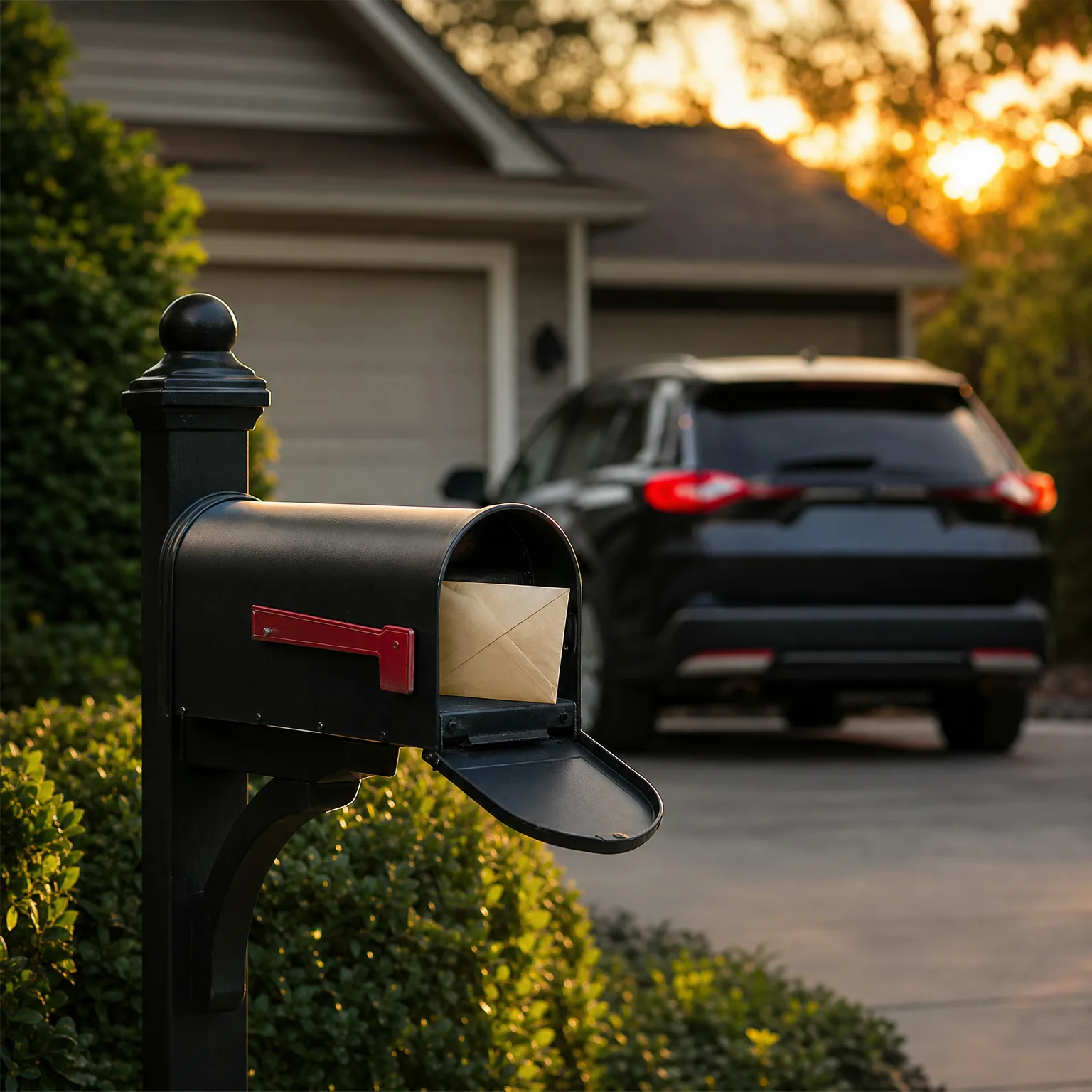
Unpaid camera tickets in New York don't add points or create license suspension risk, but the financial penalty escalates quickly. If you don't pay or contest within 30 days, the fine increases from $50 to $100. After 60 days, the city can place a boot on your vehicle or tow it at your expense.
New York City reports unpaid camera violations to the Department of Finance, which can block vehicle registration renewal. You won't be able to renew your registration until all outstanding camera violations are paid. The state also allows judgment enforcement, meaning unpaid fines can be sent to collections and impact your credit score.
Carriers don't monitor unpaid camera tickets directly, but if an unpaid violation leads to registration suspension and you continue driving, you're operating an unregistered vehicle. That creates a separate violation—aggravated unlicensed operation if discovered during a traffic stop—which does carry points, license suspension risk, and significant insurance consequences including potential policy cancellation.


When Red Light Violations Do Show Up on Your Record
Red light camera tickets issued in other states follow that state's reporting rules, not New York's civil-only framework. If you receive a red light camera ticket while driving in another state, check whether that state treats camera violations as moving violations. New Jersey, for example, discontinued red light cameras in 2014, but states like Arizona and Florida treat some camera violations as reportable offenses.
If the out-of-state violation is classified as a moving violation and reported to New York through the Driver License Compact, it will appear on your New York MVR and can trigger insurance surcharges. Carriers apply out-of-state violations the same way they apply in-state moving violations during underwriting.
Traditional red light violations issued by an officer in New York are always moving violations. These carry 3 points, remain on your record for 18 months for point calculation purposes, and stay visible to insurers for 36-48 months depending on carrier lookback windows. The violation triggers surcharges at your next renewal or discovery checkpoint, typically increasing premiums by $15-$40 per month for 36 months.

Shop Again Before Your Next Renewal Hits
Compare Rates After a ViolationShould You Contest a Red Light Camera Ticket in New York
Contesting costs $10 plus the time to submit evidence or attend a hearing, and success rates are low. New York City reports that fewer than 10% of contested camera violations result in dismissal. The most common successful defenses involve proving the vehicle was sold before the violation date, the vehicle was stolen, or the registered owner wasn't driving and the actual driver has already been ticketed.
If the photo evidence clearly shows your vehicle entering the intersection after the light turned red, contesting delays payment but rarely changes the outcome. The $50 fine is lower than the time cost of most hearings, and because the ticket carries no insurance impact, there's no downstream penalty to avoid by fighting it.
Contest only if you have documentary evidence that contradicts the violation or if the ticket was issued in error. Otherwise, pay within 30 days to avoid the penalty increase. Unpaid tickets don't disappear and the enforcement consequences—registration blocks and vehicle impoundment—cost significantly more than the original fine.

How to Check If a Red Light Ticket Will Impact Your Insurance
Pull your New York driving record abstract from the DMV before your next insurance renewal. Camera violations won't appear, but any officer-issued violations will. Order an abstract online through the DMV website or request it by mail. The standard abstract costs $10 and shows all reportable violations within the past 48 months.
If your abstract shows a red light violation with points, expect a surcharge at renewal. Carriers apply violation surcharges based on total points and violation type, not individual ticket fines. A single 3-point red light violation moves most drivers from preferred to standard tier, triggering increases of $180-$480 annually depending on your current rate and state.
If you received a camera ticket and an officer-issued ticket within the same period, only the officer-issued violation affects your insurance. Pay the camera ticket to close the civil penalty, then focus on whether the moving violation justifies defensive driving to remove points or shopping for a carrier that offers violation forgiveness after 12-24 months of claim-free driving.
Frequently Asked Questions
Do red light camera tickets in New York add points to your license?
No. New York red light camera tickets are civil violations that carry zero points. They don't appear on your DMV driving record and have no insurance impact. Only officer-issued red light tickets add points—3 points per violation.
Will my insurance company find out about a red light camera ticket?
No. Carriers pull your Motor Vehicle Record during renewal and underwriting, but New York doesn't report red light camera violations to the DMV. Camera tickets are civil penalties issued to the registered vehicle owner, not moving violations tied to your driving record.
What happens if I don't pay a New York red light camera ticket?
The fine doubles from $50 to $100 after 30 days. After 60 days, the city can boot or tow your vehicle and block your registration renewal. Unpaid tickets can also be sent to collections, impacting your credit score, but they still won't add points or affect your insurance rate.
Can I get a red light camera ticket dismissed in New York?
Fewer than 10% of contested camera violations are dismissed in New York City. Successful defenses typically require proof the vehicle was sold, stolen, or that the registered owner wasn't driving and the actual driver was already ticketed. Photo evidence showing a clear violation rarely results in dismissal.
Do out-of-state red light camera tickets affect New York drivers?
It depends on how the issuing state classifies the violation. If the other state treats camera tickets as moving violations and reports them through the Driver License Compact, the violation can appear on your New York record and trigger insurance surcharges. New York's civil-only treatment applies only to violations issued within the state.
Related Articles

Red Light Ticket in NY: 3-Point Insurance Math
5/17/2026

Red Light Camera Ticket CA: No Points, No Rate Hit
5/17/2026

Red Light Camera Ticket TX: Civil Violation Only
5/17/2026

Red Light Camera vs Officer Ticket Insurance Impact
5/17/2026

Red Light Camera Ticket in Florida: No Points Guide
5/17/2026
Red Light Ticket Ignored: State Penalties & Collections
5/17/2026