
Speeding 31+ MPH Over in CA: Misdemeanor Charges & Insurance
Compare Rates After a ViolationWhat Speeding 31+ MPH Over Means Under California Vehicle Code 22348(b)
California Vehicle Code 22348(b) classifies speeding 31+ miles over the posted limit or exceeding 100 mph as a misdemeanor criminal offense, not an infraction. You face up to $500 in base fines before penalty assessments (total cost typically $800-$1,200), up to 6 months in county jail for extreme cases, and mandatory court appearance. The DMV assigns 2 points to your driving record, which remain visible for 36 months from the conviction date.
Most first-time offenders avoid jail time but cannot dismiss the charge through traffic school—California prohibits traffic school for violations involving speeds over 25 mph above the limit. This means the conviction and points stay on your record with no administrative removal option. Your insurance carrier will see this violation on your next MVR pull, which happens at renewal or during routine underwriting review cycles.
The misdemeanor designation creates a criminal record separate from your DMV driving record. This appears on background checks and can complicate employment applications, professional licensing, and rental applications. Some drivers successfully petition for charge reduction to an infraction under VC 22349(a) (speeding 1-99 mph) through plea negotiation, which carries lower fines and only 1 DMV point, but prosecutors typically require documented clean driving history and cooperation.

How California Carriers Price Speeding 31+ Over Violations
California insurers treat speeding 31+ over as a major violation under their underwriting tier systems, applying surcharges of 35-60% to your base premium. A driver paying $180/month for full coverage typically sees increases to $245-$290/month after conviction. These surcharges apply for 36-39 months from the conviction date, measured differently than the DMV's 36-month point expiration window.
Carriers use three specific checkpoints to reassess your violation status: the 6-month policy review after discovery, the first renewal after conviction, and the 36-month reassessment window. Some insurers apply a carrier-specific lookback period of 39-60 months for major violations, meaning your rate stays elevated 3-24 months longer than the DMV point duration. This explains why drivers with "clean" DMV records still carry violation surcharges—your driving record cleared but your insurance pricing tier didn't.
Standard-market carriers (State Farm, Farmers, Allstate) often non-renew drivers after one major violation combined with any prior incidents within 36 months. Mid-tier carriers (Mercury, CSAA, Kemper) specialize in single-major-violation profiles but price 15-25% higher than standard rates. Non-standard carriers (Bristol West, Acceptance, Freeway) accept multiple major violations but charge 40-70% more than mid-tier pricing.

The 30-60 Day Window Between Conviction and Insurance Discovery
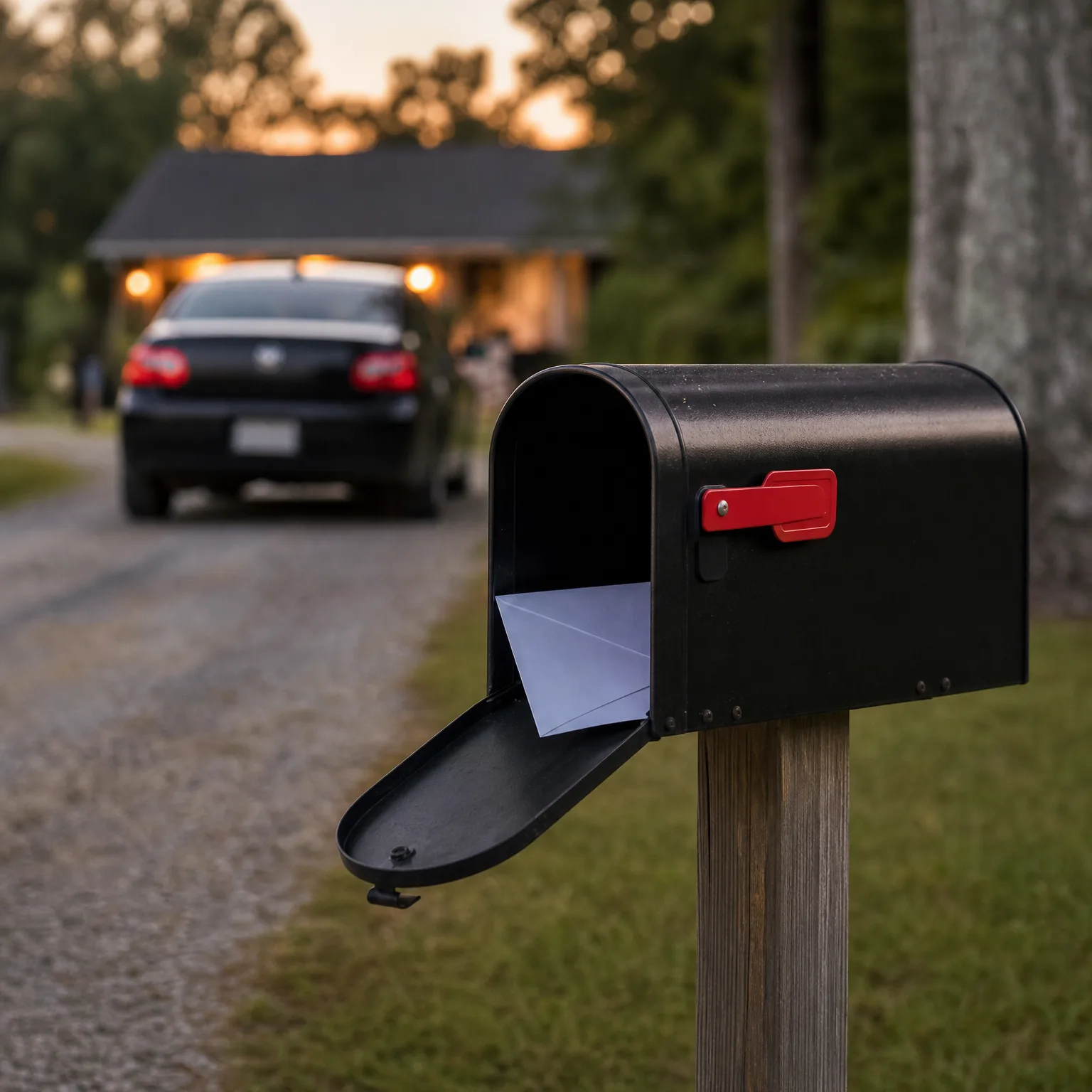
California carriers don't receive real-time DMV violation alerts. They discover your conviction when they pull an updated Motor Vehicle Report during scheduled underwriting reviews—typically at your policy renewal date, random periodic checks every 6-12 months, or when you request a policy change. This creates a 30-90 day discovery window between your court conviction date and when your insurer learns about the violation.
If your conviction date falls 60+ days before your renewal, your current carrier likely won't discover it until renewal. If you shop and bind a new policy with a clean MVR before your conviction posts to the DMV database (processing takes 30-60 days after court), the new carrier underwrites you at standard rates. Once they discover the violation at your first renewal, they'll apply surcharges or non-renew, but you've preserved 6-12 months of standard pricing that waiting would have forfeited.
This timing advantage only works once. Switching carriers after they've already surcharged you doesn't reset the penalty—all California insurers see the same conviction date and apply similar lookback windows. The strategic value exists only in the pre-discovery binding window, and only if you can secure a policy before the DMV processes your conviction into the public record system.

Shop Again Before Your Next Renewal Hits
Compare Rates After a ViolationSR-22 Requirements After License Suspension for Excessive Speeding
California DMV suspends your license under the Negligent Operator Treatment System (NOTS) if you accumulate 4+ points in 12 months, 6+ points in 24 months, or 8+ points in 36 months. A single speeding 31+ over conviction adds 2 points, so one additional 1-point violation within 12 months triggers suspension. After suspension, you must file SR-22 insurance for 3 years to reinstate your license.
SR-22 is a liability certification your insurer files with the DMV proving you carry at least California's minimum liability limits ($15,000/$30,000/$5,000). Standard carriers typically decline to file SR-22 or non-renew existing policies when filing is requested. Mid-tier and non-standard carriers file SR-22 but add $15-$35/month filing fees plus higher base rates due to the high-risk designation.
The 3-year SR-22 clock starts from your reinstatement date, not your conviction date. If your license is suspended for 6 months before you reinstate, you'll carry SR-22 for 3 years after that 6-month suspension ends—a total of 42 months from suspension start. Any lapse in coverage during the SR-22 period triggers DMV notification, automatic license re-suspension, and clock reset. Continuous coverage with the same insurer avoids filing gaps that restart your timeline.

Actions to Take in the Next 30 Days After a 31+ Over Citation
Consult a California traffic attorney within 7 days of your citation to evaluate charge reduction options. Attorneys frequently negotiate VC 22348(b) misdemeanor charges down to VC 22349(a) infractions in counties where prosecutors face case volume pressure. Reduction to an infraction cuts your DMV points from 2 to 1 and removes the misdemeanor criminal record, reducing insurance surcharges by 15-25% and preserving standard-market eligibility.
Do not contact your current insurer to report the citation before conviction. California law does not require self-reporting of citations—only convictions in some policy contracts, and only when specifically asked at renewal. Reporting a pending citation triggers immediate underwriting review and potential rate adjustment before you've exhausted all legal defense or reduction options. Wait until conviction or charge resolution before any disclosure.
If convicted, request your DMV driving record 45 days after court to confirm the violation posted correctly with accurate conviction date and point assessment. Errors in DMV records happen in 8-12% of cases and can be corrected through DMV petition before they propagate to insurer MVR pulls. Once corrected at DMV, allow 60 days before shopping insurance to ensure all carrier data sources reflect the accurate record.

Which Carriers Accept Major Speeding Violations in California
Mid-tier California carriers—Mercury, CSAA, Kemper, Nationwide—accept single major violations for drivers with otherwise clean 36-month records. These carriers price 20-35% higher than standard rates but offer stable coverage without SR-22 filing requirements. Mercury and CSAA specifically underwrite for single-violation profiles and offer the lowest mid-tier rates in most California markets.
Non-standard carriers—Bristol West, Acceptance, Freeway, Infinity—accept multiple major violations and provide SR-22 filing but price 50-85% higher than standard market rates. These are appropriate if you've been non-renewed by a standard carrier or need SR-22. Expect quotes of $220-$380/month for state minimum liability coverage and $340-$520/month for full coverage after a major speeding conviction.
Progressive and Geico occupy a hybrid position—they accept major violations but tier pricing aggressively based on total violation count, years since conviction, and claim history. A driver with one major violation and no other incidents may receive competitive mid-tier pricing from these carriers, while a driver with two violations in 36 months gets routed to their non-standard subsidiaries at significantly higher rates. Always compare at least one mid-tier specialist, one non-standard carrier, and one hybrid carrier to identify your lowest available rate.
Frequently Asked Questions
How long does a speeding 31+ over conviction affect insurance rates in California?
California carriers apply surcharges for 36-39 months from your conviction date, though some insurers use lookback windows up to 60 months for major violations. Your rate stays elevated even after DMV removes the points at 36 months because insurers measure from conviction date using their own underwriting calendars, not DMV point expiration schedules.
Can you get a speeding 31+ over charge reduced to avoid the misdemeanor?
Yes, California traffic attorneys frequently negotiate VC 22348(b) misdemeanor charges down to VC 22349(a) infractions through plea agreements. This reduces your penalty from 2 DMV points to 1 point, removes the criminal record, and typically cuts insurance surcharges by 15-25%, but requires attorney representation and depends on county prosecutor policies and your prior driving record.
Will your insurance company drop you after a 31+ over speeding ticket?
Standard-market carriers (State Farm, Allstate, Farmers) typically non-renew drivers after one major violation if you have any other incidents within 36 months. If this is your only violation in three years, most standard carriers will surcharge you 35-60% but keep you through at least one renewal cycle before deciding whether to non-renew.
Do you have to tell your insurance about a speeding ticket in California?
California does not require you to self-report citations before conviction, and most policies only require disclosure of convictions when specifically asked at renewal. Your insurer will discover the conviction when they pull your Motor Vehicle Report during routine underwriting checks, typically at renewal or during periodic review cycles every 6-12 months.
Does speeding over 100 mph trigger automatic license suspension in California?
No, speeding over 100 mph does not trigger automatic suspension—it adds 2 DMV points under VC 22348(b). California suspends licenses under the Negligent Operator Treatment System when you accumulate 4+ points in 12 months, 6+ points in 24 months, or 8+ points in 36 months, so one speeding 100+ conviction alone won't suspend you unless combined with other violations.
Related Articles
CA Speeding 16-30 Over: 1-Point and Rate Impact
5/17/2026

CA Speeding 1-15 Over: Point Math & Rate Impact
5/17/2026

Careless Driving CA: 1-Point Penalty & Rate Impact
5/17/2026

TX 25 MPH Over Speeding: Felony Threshold Explained
5/17/2026

Speeding 31+ Over Virginia: Reckless Driving Impact
5/17/2026

Criminal Speeding 31+ Over FL: Insurance Impact
5/17/2026