What Affects Rates in Tuscaloosa
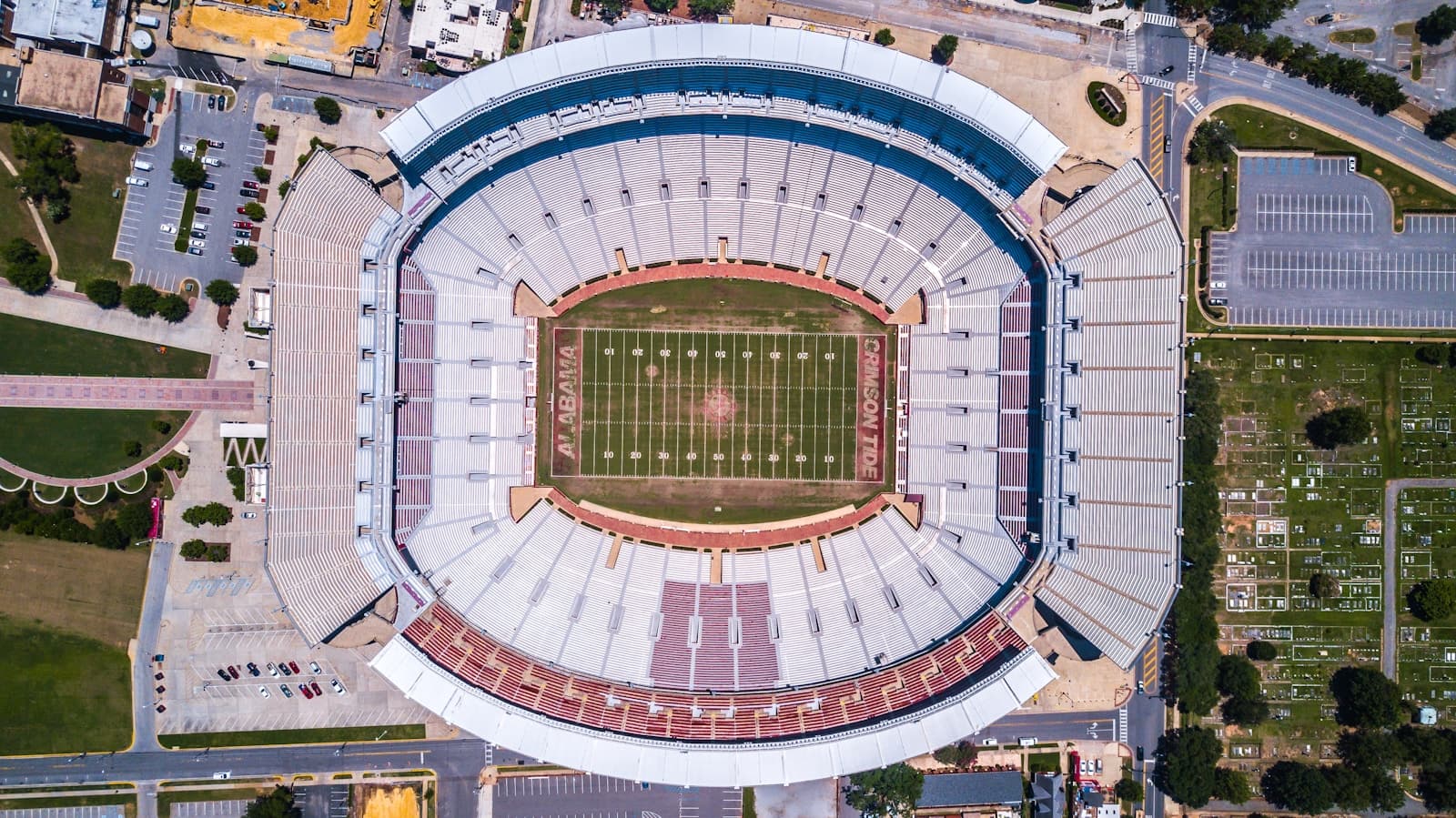
- University of Alabama Traffic Density: Tuscaloosa's 65,000+ University of Alabama students create concentrated traffic in the Bryant-Denny Stadium corridor and along McFarland Boulevard during game days and academic calendar peaks. High-risk drivers face elevated rates in the 35401 and 35487 zip codes due to increased accident frequency in these high-density zones, particularly during fall football weekends when traffic volume can triple.
- I-20/I-59 Corridor Accident Rates: The I-20/I-59 interchange and the Highway 82 corridor through Tuscaloosa see high commercial truck traffic connecting Birmingham to Mississippi markets. Drivers with existing violations face higher premiums if they commute these routes daily, as carriers price in the elevated severity risk from multi-vehicle accidents involving commercial vehicles.
- Tuscaloosa County Court SR-22 Processing: Alabama requires SR-22 filing through the Alabama Law Enforcement Agency (ALEA), but Tuscaloosa County courts typically mandate SR-22 for DUI convictions, license suspensions from point accumulation, and driving without insurance citations. Processing delays during your 10-day reinstatement window can extend your suspension if your insurer doesn't file electronically with ALEA immediately.
- Uninsured Driver Concentration: West Alabama's uninsured motorist rates run higher than state averages, particularly in rural Tuscaloosa County areas outside the city limits. High-risk drivers should prioritize uninsured motorist coverage at higher limits than the state minimum 25/50, as a hit from an uninsured driver resets your violation clock and spikes your already-elevated premium.
- Severe Weather and Comprehensive Claims: Tuscaloosa sits in Alabama's tornado corridor, with the April 2011 EF4 tornado path still influencing local comprehensive claim rates. High-risk drivers often drop comprehensive to lower premiums, but spring storm season hail and wind damage claims can trigger at-fault comprehensive surcharges if you're caught without coverage and file later violations.
Find out exactly how long SR-22 is required in your state
Coverage Recommendations
Cost estimates are based on available industry data and vary by driver profile. These are not insurance quotes.
SR-22 Insurance
Alabama's SR-22 is a liability certificate filed by your insurer with ALEA proving you carry at least 25/50/25 minimum coverage. In Tuscaloosa, expect your carrier to charge a $25–$50 one-time filing fee, then maintain continuous coverage for 3 years — any lapse triggers a notice to ALEA and re-suspends your license within 10 days.
$25–$50 filing fee + elevated premiumEstimated range only. Not a quote.
Liability Insurance
Alabama's minimum 25/50/25 liability ($25k per person injury, $50k per accident injury, $25k property damage) is the floor for SR-22 compliance, but high-risk drivers in Tuscaloosa should consider 50/100/50 or higher. One at-fault accident on University Boulevard during game traffic can easily exceed $25k in property damage alone when multiple vehicles are involved.
State minimum starts ~$80/mo high-riskEstimated range only. Not a quote.
Non-Standard Auto Insurance
After a DUI or multiple violations in Tuscaloosa, standard carriers often non-renew your policy, pushing you to non-standard insurers who specialize in high-risk Alabama drivers. These carriers — typically regional or specialty underwriters — charge $150–$350/mo but will write policies standard carriers reject, and many offer electronic SR-22 filing directly with ALEA to meet your court deadline.
$150–$350/mo typical for DUI/major violationsEstimated range only. Not a quote.
Full Coverage
Full coverage (liability + collision + comprehensive) for high-risk drivers in Tuscaloosa runs $200–$400/mo depending on vehicle value and your violation severity. If you're financing a vehicle or your car is worth over $5,000, lenders require it — but if you own an older vehicle outright, dropping to liability-only can cut your premium by 40–50% while still maintaining SR-22 compliance.
$200–$400/mo for high-risk full coverageEstimated range only. Not a quote.