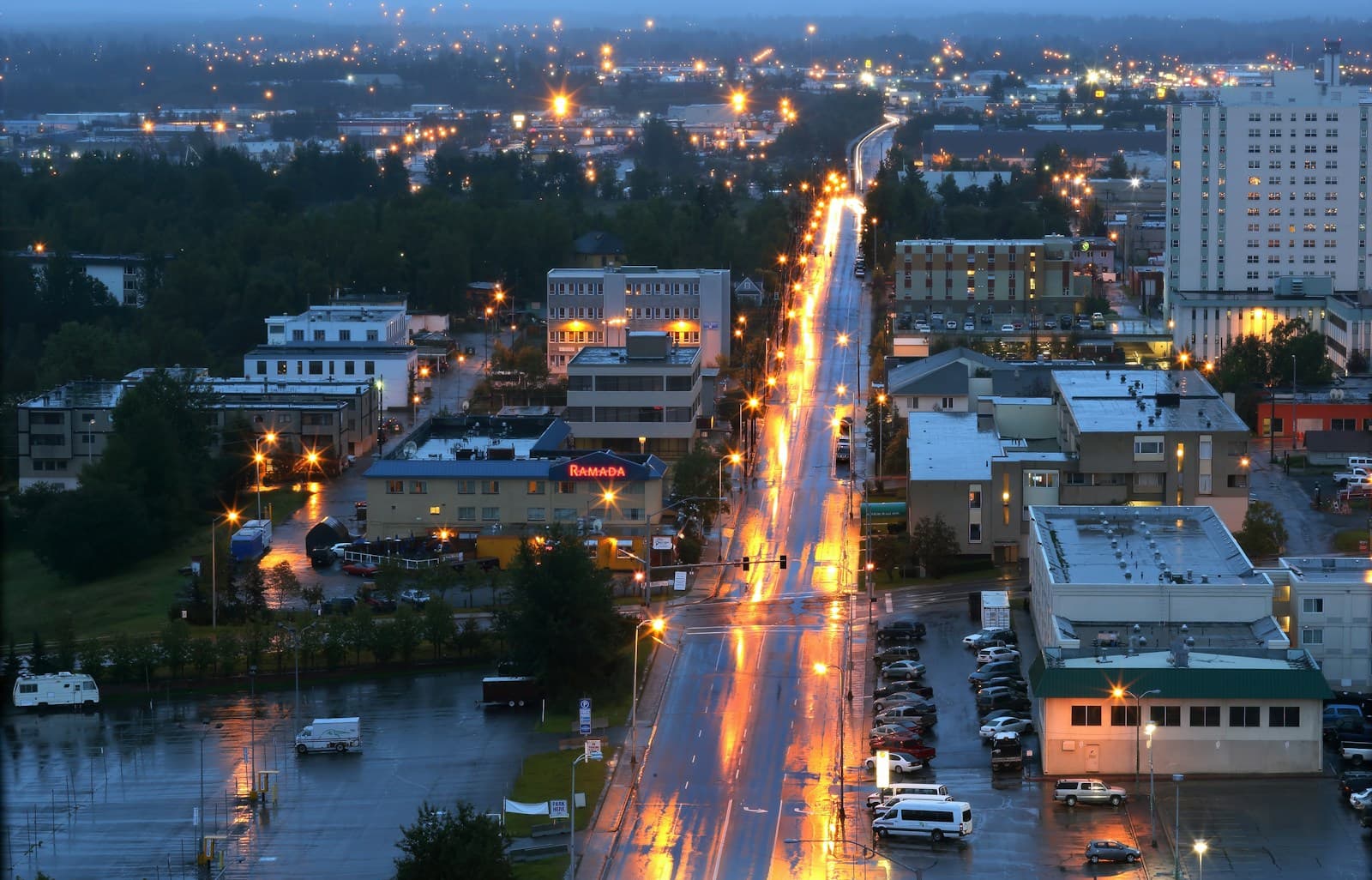
What Affects Rates in Anchorage
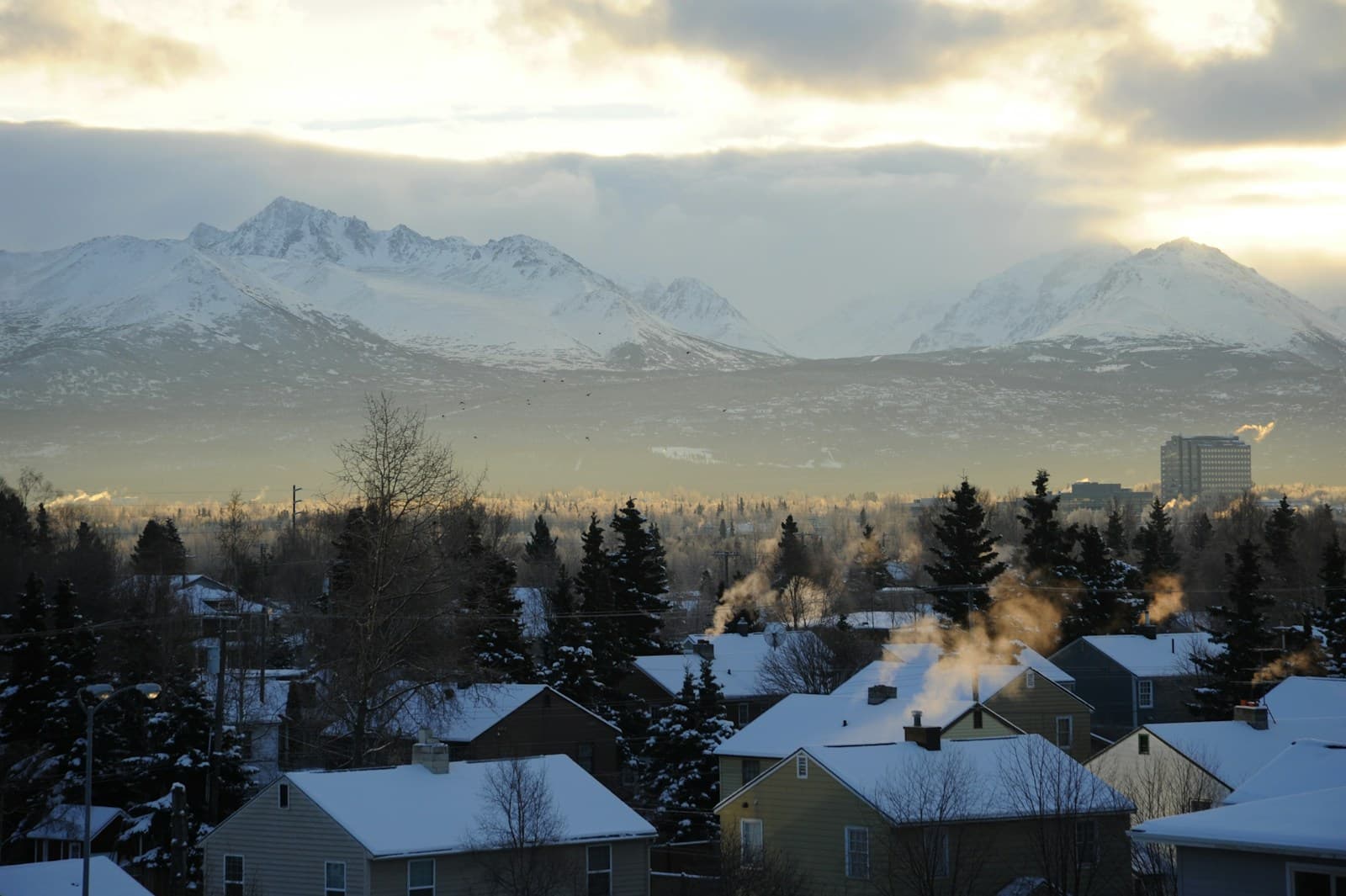
- Winter Weather Driving Record: Anchorage receives 75+ inches of snow annually, and carriers assign higher weight to winter-season violations on high-risk profiles. At-fault accidents between October and March typically trigger larger rate increases than summer incidents due to demonstrated inability to manage ice and limited-visibility conditions.
- High Uninsured Motorist Exposure: Alaska's uninsured motorist rate sits near 14%, among the highest in the nation. High-risk drivers in Anchorage face elevated UM/UIM coverage costs because carriers price in the increased probability that your next accident involves an uninsured driver, compounding your existing violation history.
- Limited Carrier Competition: Alaska's geographic isolation and small population mean fewer national carriers underwrite high-risk policies here. Most SR-22 filings in Anchorage go through regional non-standard carriers or surplus lines insurers, reducing competition and keeping rates 15–25% higher than comparable urban markets in the Lower 48.
- Moose and Wildlife Collision Risk: Anchorage sits in active moose habitat, with 200+ vehicle-moose collisions reported annually in the municipality. Drivers with existing comprehensive claims or at-fault accidents pay premium surcharges for comp coverage due to the elevated likelihood of a second total-loss wildlife strike.
- Glenn Highway and Seward Highway Corridor Risk: High-risk drivers commuting on the Glenn or Seward highways face higher liability premiums due to these corridors' elevated fatality rates and severe-weather closure frequency. Carriers view regular use of these routes as additional risk layering on top of your violation history.
Find out exactly how long SR-22 is required in your state
Coverage Recommendations
Cost estimates are based on available industry data and vary by driver profile. These are not insurance quotes.
SR-22 Insurance
Alaska requires SR-22 for DUI convictions, license suspensions, and driving without insurance. The filing itself costs $25–$50, but underlying liability coverage typically runs $100–$200/mo for high-risk drivers in Anchorage, with the DMV monitoring continuous coverage for 3 years.
$100–$200/mo liability minimumEstimated range only. Not a quote.
Non-Standard Auto Insurance
Most SR-22 and post-DUI coverage in Anchorage comes from non-standard carriers like Bristol West, Acceptance, or regional surplus lines insurers. These policies cost 40–80% more than standard market but provide the liability coverage required to maintain your license after a major violation.
$150–$300/mo full coverageEstimated range only. Not a quote.
Liability Insurance
Alaska requires 50/100/25 minimum limits, but high-risk drivers in Anchorage often need 100/300/100 to satisfy SR-22 filing requirements or court orders. Expect $100–$180/mo for state minimums, $140–$240/mo for 100/300/100 after a DUI or at-fault accident.
$100–$240/mo depending on limitsEstimated range only. Not a quote.
Full Coverage
Full coverage (liability + collision + comprehensive) for high-risk drivers in Anchorage runs $150–$300/mo, with winter weather and moose collision risk driving comp premiums higher than southern states. Lenders require full coverage if you're financing, even with an SR-22 on file.
$150–$300/mo after major violationEstimated range only. Not a quote.