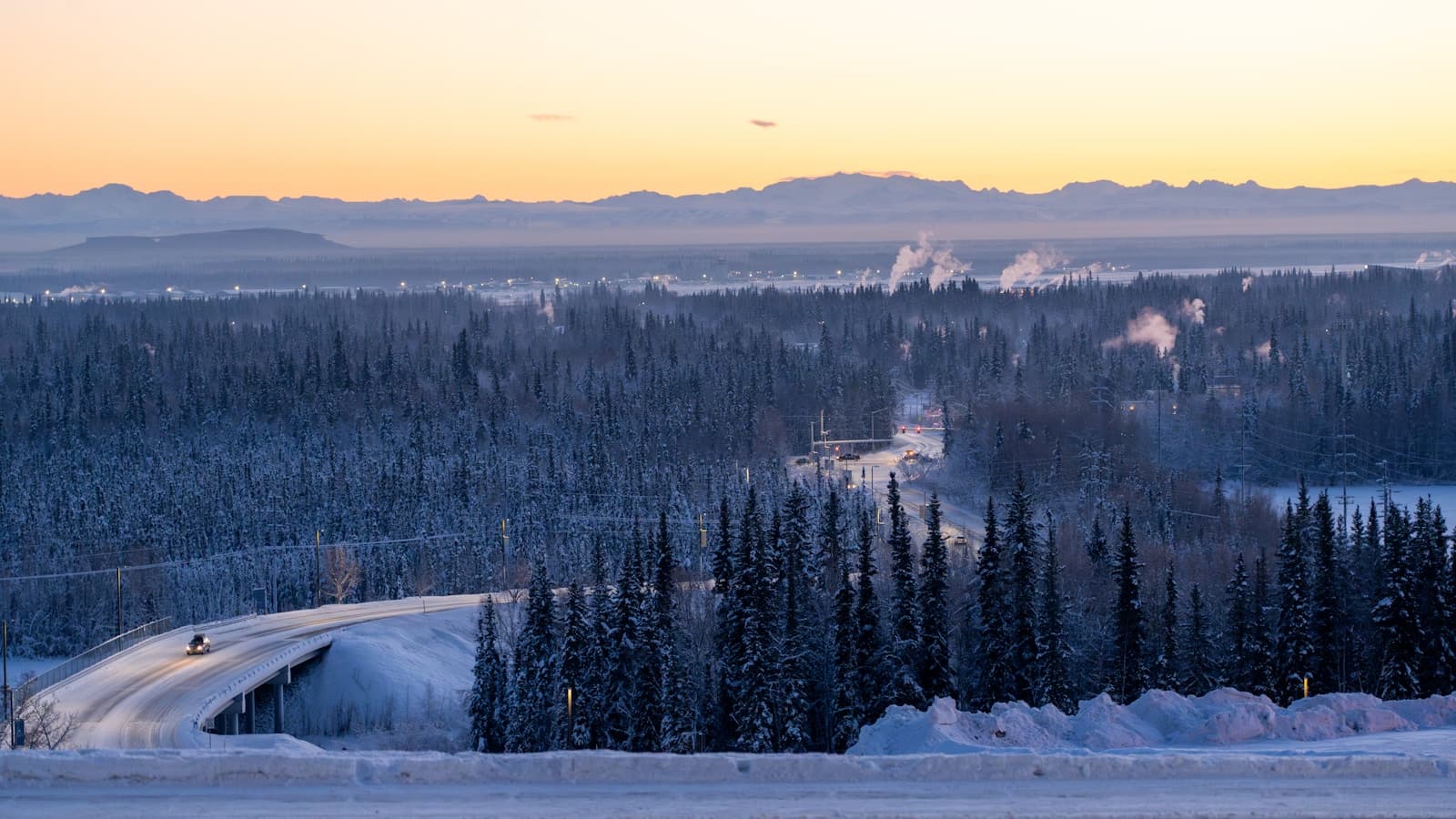
What Affects Rates in Fairbanks
- Extreme Winter Driving Conditions: Fairbanks experiences temperatures below -40°F and prolonged darkness from October through March, producing frequent ice-related accidents and comprehensive claims for windshield damage, battery failure, and collision with wildlife. High-risk drivers already flagged for violations see steeper rate increases because insurers combine elevated loss history with seasonal hazard exposure.
- Limited Carrier Competition: Alaska's sparse population and distance from the continental U.S. mean fewer standard carriers operate in Fairbanks, concentrating high-risk business among non-standard insurers and state-assigned risk pools. This reduced competition typically adds 15–25% to premiums compared to urban markets with broader carrier participation.
- High Uninsured Motorist Rate: Alaska consistently ranks among the top 10 states for uninsured drivers, with rural areas like Fairbanks Borough seeing elevated noncompliance. Insurers raise rates for high-risk drivers to offset the likelihood of uninsured-motorist claims when violations or lapses suggest weaker compliance patterns.
- Remote Claims Processing: Fairbanks sits 360 miles from Anchorage, Alaska's insurance hub, delaying physical inspections and repair authorization for comprehensive and collision claims. Extended rental periods and labor scarcity inflate claim costs, which insurers price into high-risk policies written in the region.
- Wildlife Collision Frequency: Moose collisions on roads around Fairbanks — particularly the Parks and Richardson Highways — generate total-loss claims averaging $15,000–$25,000. Drivers with existing violations face surcharges when adding comprehensive coverage because insurers treat wildlife exposure as compounding risk rather than mitigating poor driving records.
Find out exactly how long SR-22 is required in your state
Coverage Recommendations
Cost estimates are based on available industry data and vary by driver profile. These are not insurance quotes.
SR-22 Insurance
An SR-22 is a certificate your insurer files with the Alaska Division of Motor Vehicles proving you carry at least 50/100/25 liability coverage. In Fairbanks, expect to pay the $25–$50 filing fee plus monthly premiums that run $180–$350/mo for full coverage, with the certificate required for 3 years after most DUI or suspended-license violations.
$25–$50 filing fee; $180–$350/mo premiumsEstimated range only. Not a quote.
Liability Insurance
Alaska requires 50/100/25 minimum liability limits ($50k per person, $100k per accident for injury, $25k for property damage). High-risk drivers in Fairbanks should consider 100/300/100 limits because a single moose collision or winter pileup on the Steese Highway can exceed minimum coverage, leaving you personally liable for the difference.
$90–$180/mo for state minimums; $140–$240/mo for 100/300/100Estimated range only. Not a quote.
Full-Coverage Auto Insurance
Full coverage combines liability, collision, and comprehensive — essential in Fairbanks given ice-road collisions, moose strikes, and extreme cold damage to vehicles. After a DUI or major violation, expect $180–$350/mo depending on your deductible choice; raising your deductible to $1,000 can trim 10–15% off monthly costs.
$180–$350/mo after DUI or suspensionEstimated range only. Not a quote.
Non-Standard Auto Insurance
Non-standard carriers specialize in high-risk profiles — DUIs, lapses, multiple violations — and actively write policies in Fairbanks where standard insurers decline coverage. Premiums run 20–40% higher than standard markets, but coverage is immediate and maintains legal compliance while you work through your SR-22 filing period.
$200–$400/mo typical rangeEstimated range only. Not a quote.