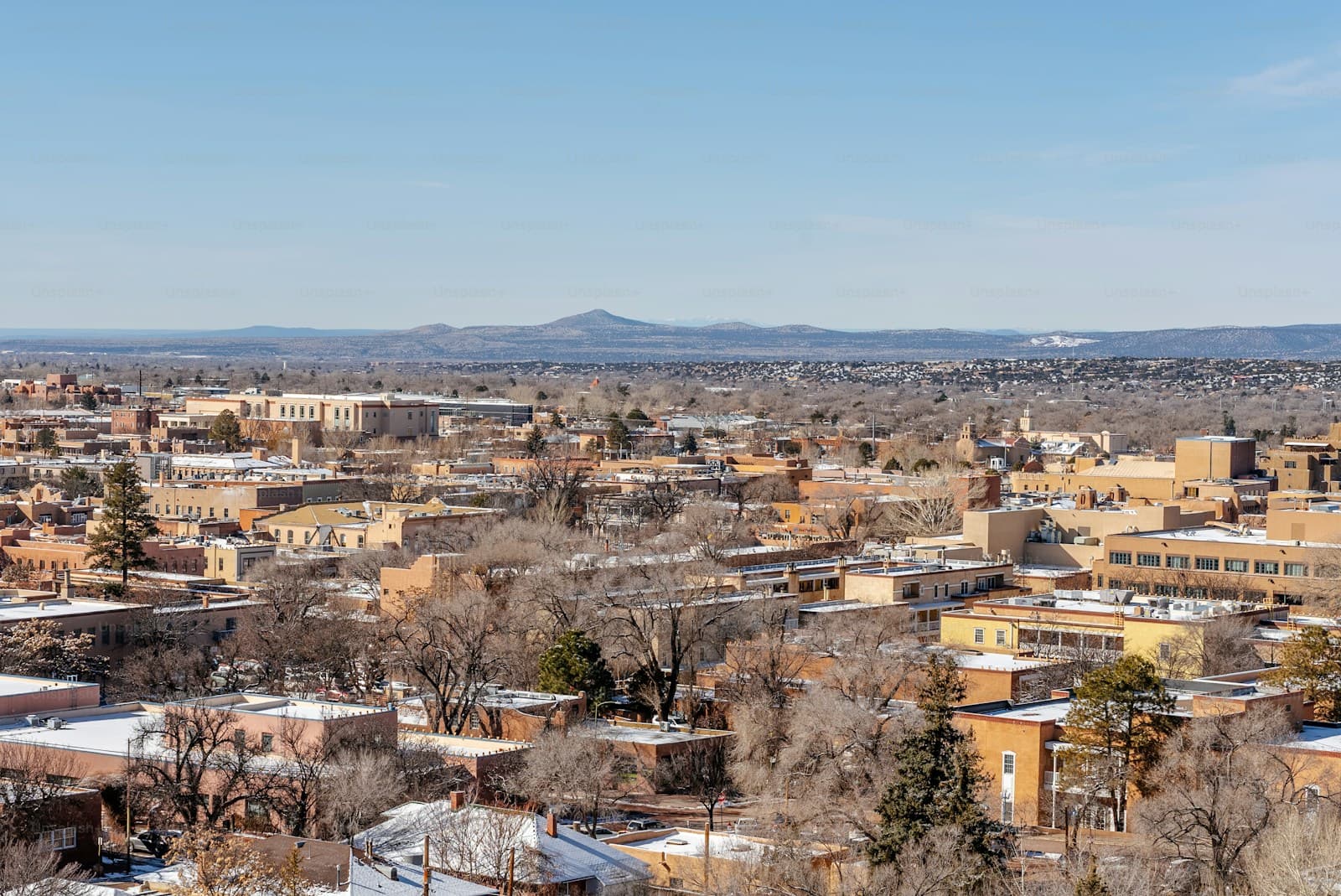
What Affects Rates in Lakewood
- West Colfax Avenue Corridor Traffic Density: The Colfax corridor through Lakewood experiences high accident frequency due to commercial density and pedestrian crossings, which elevates collision risk for high-risk drivers. Carriers price SR-22 policies higher for addresses near this corridor—sometimes 12–18% above Lakewood's south-end suburbs—based on claims data from zip codes 80214 and 80215.
- Jefferson County Court SR-22 Processing Volume: Jefferson County processes a high volume of DUI and reckless driving cases annually, creating a concentrated pool of high-risk drivers in Lakewood. This increases competition among non-standard carriers, which can work in your favor if you compare at least three specialists within 30 days of your violation.
- I-70 and C-470 Commuter Routes: Lakewood sits at the junction of I-70 and C-470, two high-speed corridors with elevated DUI enforcement and accident rates during morning and evening commutes. Drivers with prior speed-related violations or DUIs face steeper rate increases—often 20–30% higher than those with non-moving violations—when their home address falls within 2 miles of these interchanges.
- Uninsured Motorist Rate in Metro Denver: Colorado's uninsured driver rate hovers around 13%, slightly above the national average, with concentrated pockets in the Denver metro area. High-risk drivers in Lakewood should prioritize uninsured motorist coverage, as a second at-fault claim—even if the other driver is uninsured—can push you into assigned risk pools with rates exceeding $600/month.
- Winter Weather Collision Frequency: Lakewood's proximity to the Front Range foothills means frequent winter weather events that spike collision claims from November through March. High-risk drivers with at-fault accidents during winter months may see comprehensive and collision premiums increase 15–25% compared to violations in dry months, as carriers flag weather-related judgment errors.
Find out exactly how long SR-22 is required in your state
Coverage Recommendations
Cost estimates are based on available industry data and vary by driver profile. These are not insurance quotes.
SR-22 Insurance
SR-22 is a certificate your insurer files with the Colorado DMV to prove you carry state-minimum liability (25/50/15). In Lakewood, expect to pay $15–$50 for the initial filing, plus $150–$300/month for the underlying liability policy if you have a DUI or major violation.
$150–$300/mo liability-onlyEstimated range only. Not a quote.
Non-Standard Auto Insurance
Non-standard carriers specialize in high-risk drivers and dominate Lakewood's SR-22 market—standard carriers typically decline DUI or multiple-violation applicants outright. Policies from non-standard insurers cost 40–80% more than standard rates but provide immediate coverage when preferred carriers won't compete.
$200–$500/mo full coverageEstimated range only. Not a quote.
Liability Insurance
Colorado requires 25/50/15 liability minimums, but high-risk drivers in Lakewood should consider 50/100/50 or 100/300/100 limits to protect assets if you cause another accident while under SR-22 filing. The cost difference is typically $30–$60/month, but a second at-fault claim with minimum limits can trigger personal judgments.
$150–$300/mo for 25/50/15Estimated range only. Not a quote.
Full Coverage
Full coverage (liability + collision + comprehensive) in Lakewood runs $250–$500/month for high-risk drivers, with collision deductibles of $500–$1,000 standard. If you finance or lease, your lender requires this; if you own outright and your vehicle is worth under $4,000, dropping collision may save $80–$150/month.
$250–$500/mo with $500+ deductiblesEstimated range only. Not a quote.