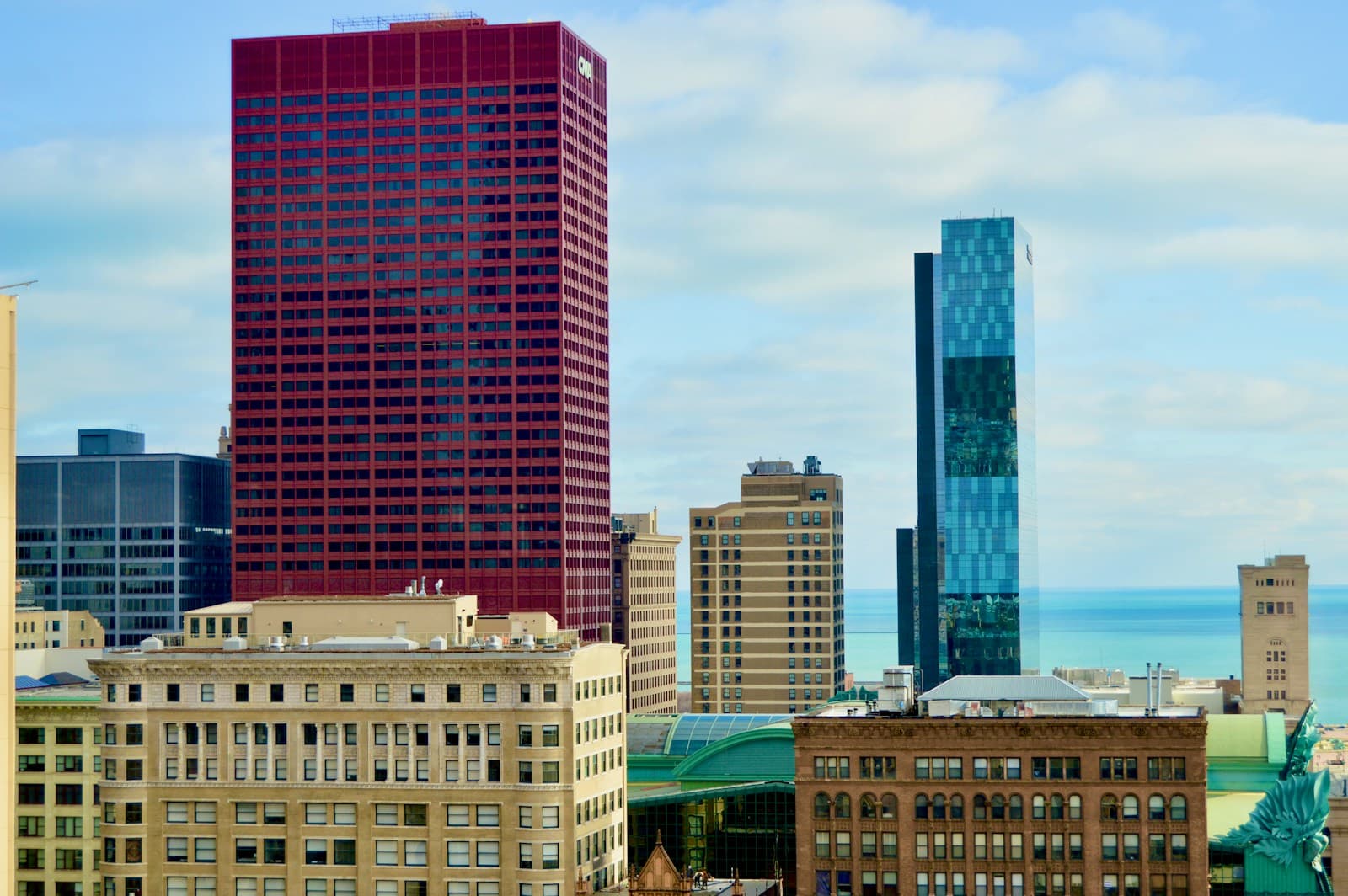
What Affects Rates in Sterling Heights
- M-59 and Van Dyke Corridor Density: Sterling Heights sits at the convergence of M-59 (Hall Road) and Van Dyke Avenue, two of Metro Detroit's highest-traffic commercial corridors. High-risk drivers face elevated collision coverage costs here due to rear-end and sideswipe accident frequency in these zones during peak shopping hours.
- Macomb County Uninsured Driver Concentration: Macomb County typically shows higher uninsured motorist rates than Oakland or Washtenaw counties. For high-risk drivers already paying elevated premiums, uninsured motorist coverage becomes more expensive in Sterling Heights due to the statistical likelihood of uninsured claims in this metro Detroit suburb.
- Winter Weather Impact on Violation History: Sterling Heights averages 40+ inches of snow annually, with lake-effect bands from Lake St. Clair intensifying winter conditions. Drivers with existing violations face compounded rate increases if they add weather-related at-fault accidents during November–March, as carriers view this as pattern risk rather than isolated incident.
- Proximity to Detroit Metro Residual Market: Michigan's assigned claims plan serves drivers who cannot access voluntary market coverage. Sterling Heights high-risk drivers near the threshold may be placed in this residual market, where rates are state-mandated but often 30–60% higher than competitive non-standard carriers still writing voluntary policies in Macomb County.
- No-Fault PIP Requirements for High-Risk Drivers: Michigan's no-fault system requires Personal Injury Protection regardless of driving record. High-risk drivers in Sterling Heights pay the same base PIP premiums as clean-record drivers, but the liability and collision portions of their policy absorb the violation surcharge—meaning total monthly costs still climb significantly even though PIP itself isn't surcharged.
Find out exactly how long SR-22 is required in your state
Coverage Recommendations
Cost estimates are based on available industry data and vary by driver profile. These are not insurance quotes.
SR-22 Insurance
SR-22 is a financial responsibility certificate filed by your insurer with the Michigan Secretary of State, required after DUI, license suspension, or driving uninsured. In Sterling Heights, you'll pay the $25–$50 filing fee plus elevated premiums reflecting your violation; any lapse triggers automatic license suspension and restarts your 3-year filing clock.
$25–$50 filing fee, plus high-risk premium increaseEstimated range only. Not a quote.
Non-Standard Auto Insurance
Non-standard carriers specialize in high-risk drivers and often offer better rates than Michigan's assigned claims plan. Sterling Heights drivers with DUIs or multiple violations should compare non-standard quotes immediately—many local agents write policies with carriers that accept your profile without forcing you into residual market pricing.
Typically 20–40% less than residual marketEstimated range only. Not a quote.
Liability Insurance
Michigan requires minimum liability limits, but high-risk drivers in Sterling Heights should consider higher limits to protect assets if involved in another at-fault crash. A second violation while carrying only state minimums can push you into assigned risk and expose you to lawsuits that exceed your coverage ceiling.
State minimum compliance, but higher limits recommendedEstimated range only. Not a quote.
Full Coverage
Full coverage (liability + collision + comprehensive) is mandatory if you finance or lease a vehicle in Sterling Heights, and advisable if your car's value exceeds $5,000. High-risk drivers pay steep collision premiums along M-59 and Van Dyke corridors, but dropping collision to save money leaves you personally liable for repairs after any at-fault crash.
Collision adds $80–$180/mo for high-risk driversEstimated range only. Not a quote.