What Affects Rates in Butte
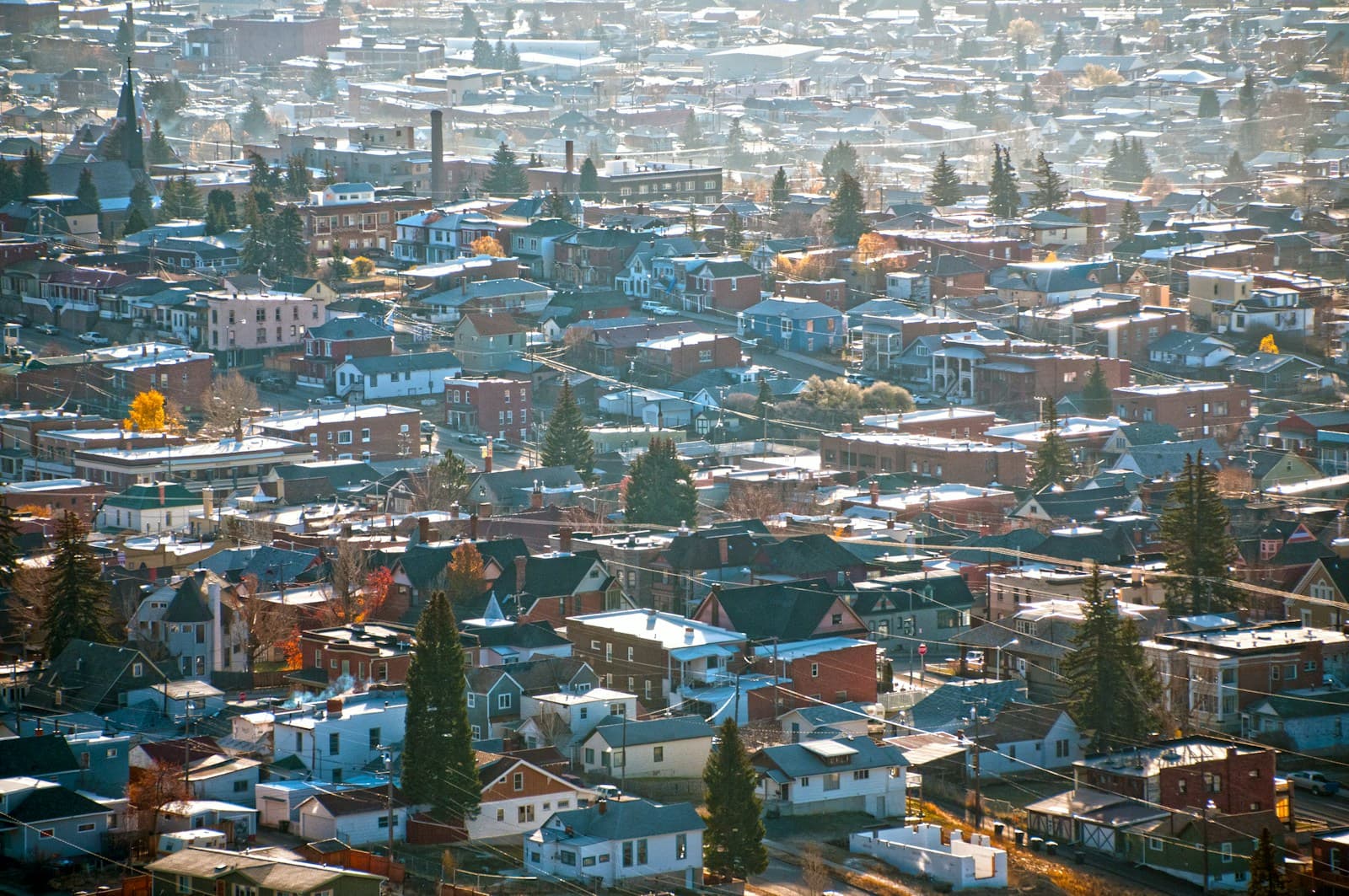
- Continental Divide Proximity and Winter Severity: Butte sits at 5,538 feet elevation near the Continental Divide, experiencing snow from October through April with frequent black ice conditions. High-risk drivers face steeper rate increases here than in lower-elevation Montana cities because winter accident frequency compounds violation history in underwriter models.
- Limited Carrier Competition in Southwest Montana: Butte's smaller population (around 34,000) means fewer non-standard carriers actively write policies compared to Billings or Missoula. This reduced competition typically adds 10–20% to high-risk premiums, as drivers have fewer quote options when standard carriers decline coverage after DUIs or multiple violations.
- Mining District Road Conditions: Historic mining activity left Butte with uneven road surfaces, steep grades through uptown districts, and legacy infrastructure that increases low-speed collision frequency. Carriers factor these conditions into comprehensive and collision pricing for drivers already carrying at-fault accidents or suspension history.
- Interstate 15 and Interstate 90 Corridor Traffic: Butte sits at the junction of I-15 and I-90, creating higher-speed rural interstate exposure than most Montana cities its size. DUI convictions or speeding violations on these corridors trigger longer rate impacts because underwriters classify interstate incidents as higher-severity risks.
- Rural Law Enforcement Patterns: Montana Highway Patrol concentrates DUI enforcement on I-15 and I-90 corridors near Butte, particularly during winter months and holiday periods. Drivers with one DUI face heightened scrutiny for policy renewals, as carriers view repeat-risk probability higher in monitored corridors.
Find out exactly how long SR-22 is required in your state
Coverage Recommendations
Cost estimates are based on available industry data and vary by driver profile. These are not insurance quotes.
SR-22 Insurance
Montana requires SR-22 filing for DUI convictions, license suspensions, and driving uninsured citations. In Butte, you'll pay the $25–$50 filing fee plus elevated premiums for 3 continuous years; any lapse triggers restart of the entire period and immediate license suspension.
$25–$50 filing + $150–$300/mo premiumEstimated range only. Not a quote.
Liability Insurance
Montana's minimum liability limits are 25/50/20, but high-risk drivers in Butte often face 50/100/50 minimum requirements from non-standard carriers willing to file SR-22. Winter accident frequency makes higher bodily injury limits critical despite the premium increase.
$150–$250/mo for state minimums after violationEstimated range only. Not a quote.
Full Coverage
Comprehensive and collision coverage in Butte costs 40–60% more for drivers with DUIs or at-fault accidents due to extended winter conditions and road grade challenges. If your vehicle is financed, expect lenders to require full coverage even with a high-risk profile, pushing monthly costs to $300–$500/mo.
$300–$500/mo after DUI or major violationEstimated range only. Not a quote.
Non-Standard Auto Insurance
Drivers declined by standard carriers after multiple violations or DUI convictions in Butte typically turn to non-standard specialists. These carriers accept higher-risk profiles but charge 2–3× standard rates and often require 6-month policy terms paid in full or with large down payments.
2–3× standard rates, often $200–$400/moEstimated range only. Not a quote.