What Affects Rates in Asheville
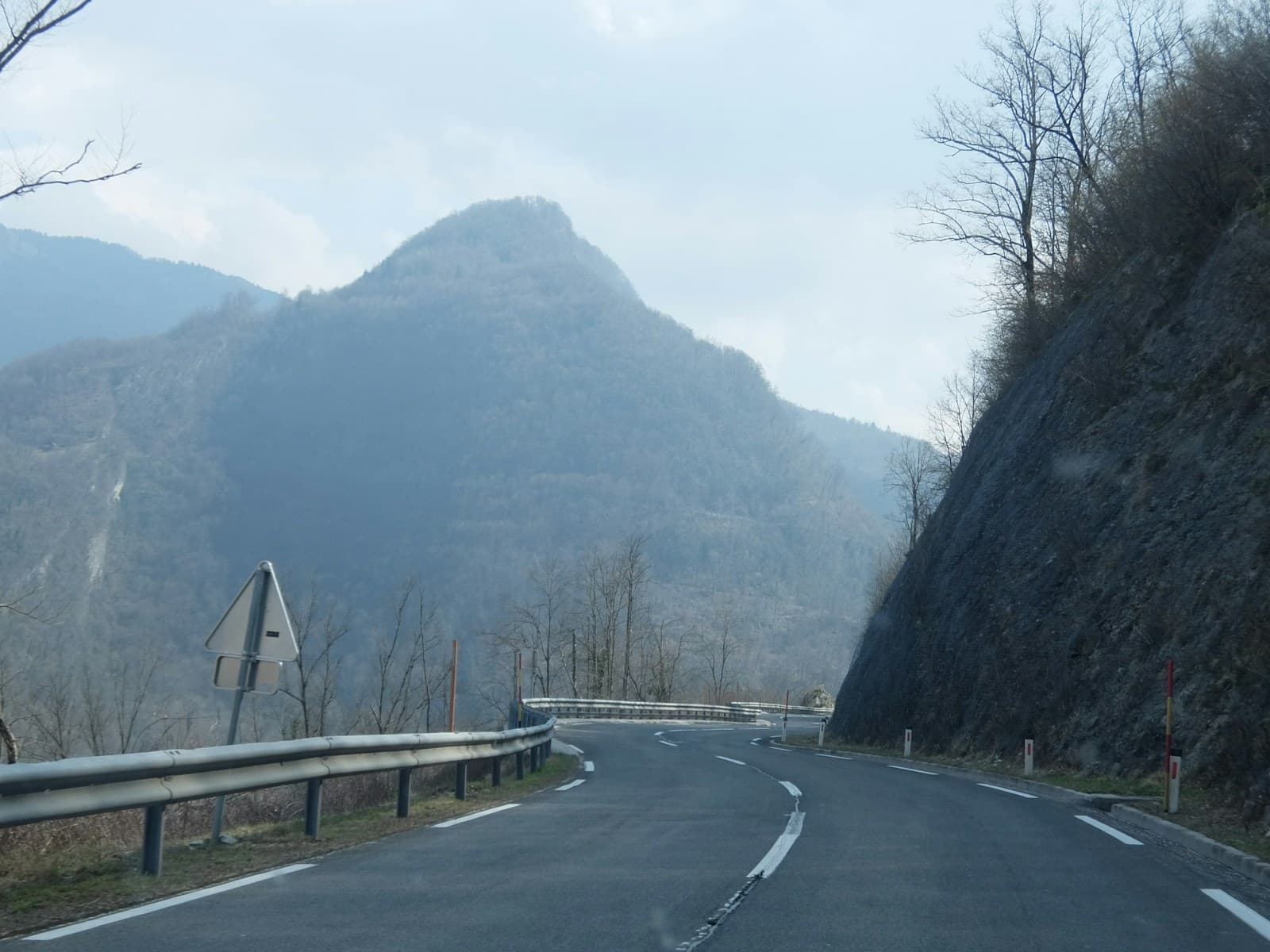
- Mountain Driving Conditions: Asheville's location in the Blue Ridge Mountains creates steep grades, sharp curves, and frequent fog on routes like the Blue Ridge Parkway and I-26 near the Tennessee border. High-risk drivers face steeper premiums here than in Piedmont cities because carriers price in elevated accident severity on mountain roads.
- Tourism Traffic Density: Asheville draws over 11 million visitors annually, concentrating traffic on Patton Avenue, Tunnel Road, and I-240 during peak tourist months (May–October). Drivers with violations face higher collision risk from unfamiliar out-of-state drivers navigating congested downtown and Biltmore area routes.
- Uninsured Driver Concentration: Buncombe County consistently reports uninsured driver rates above the North Carolina state average, which hovers near 7–9%. High-risk drivers purchasing only state minimum liability ($30,000/$60,000/$25,000) remain exposed if hit by an uninsured motorist, making uninsured/underinsured coverage more critical here.
- Urban Corridor Accident Rates: I-26 through Asheville and the I-240 loop experience higher crash frequencies than rural Western NC highways due to merging tourist traffic, commuter volume, and abrupt grade changes. Drivers with at-fault accidents already on record see steeper rate increases in this corridor.
- Winter Weather Event Frequency: Asheville averages 10–12 inches of snow annually, with freezing rain and black ice common on elevated roads January–March. Carriers assign higher comprehensive and collision premiums to high-risk drivers in mountain cities where winter claims spike compared to coastal NC markets.
Find out exactly how long SR-22 is required in your state
Coverage Recommendations
Cost estimates are based on available industry data and vary by driver profile. These are not insurance quotes.
SR-22 Insurance
An SR-22 is a certificate your insurer files with the NC DMV proving you carry at least state minimum liability ($30,000/$60,000/$25,000). In Asheville, the filing fee is typically $25–$50, but your premium will increase significantly due to the underlying violation—expect $150–$350/month total based on available industry data.
$150–$350/mo average premium (filing fee $25–$50 one-time)Estimated range only. Not a quote.
Non-Standard Auto Insurance
Drivers with DUIs, lapses, or suspensions in Asheville often move to non-standard carriers that specialize in high-risk profiles. These insurers—including regional and national high-risk writers—offer coverage standard carriers decline, though premiums run 50–150% higher than standard market rates.
$180–$400/mo typical range for non-standard policiesEstimated range only. Not a quote.
Liability Insurance
North Carolina requires $30,000 per person/$60,000 per accident bodily injury and $25,000 property damage. High-risk drivers in Asheville should consider higher limits ($100,000/$300,000/$100,000) given the city's tourism traffic and elevated uninsured driver rate—if you're hit by an uninsured tourist, minimum coverage may not cover your own injuries.
$120–$280/mo for state minimums; $180–$350/mo for 100/300/100Estimated range only. Not a quote.
Full Coverage
Full coverage (liability + collision + comprehensive) protects high-risk drivers financing vehicles in Asheville, where mountain roads and winter weather increase both accident and weather-damage claims. Expect $250–$500/month for full coverage with an SR-22 requirement, based on available industry data; individual rates vary by violation type and vehicle value.
$250–$500/mo with SR-22 (varies by vehicle and violation)Estimated range only. Not a quote.