What Affects Rates in Fargo
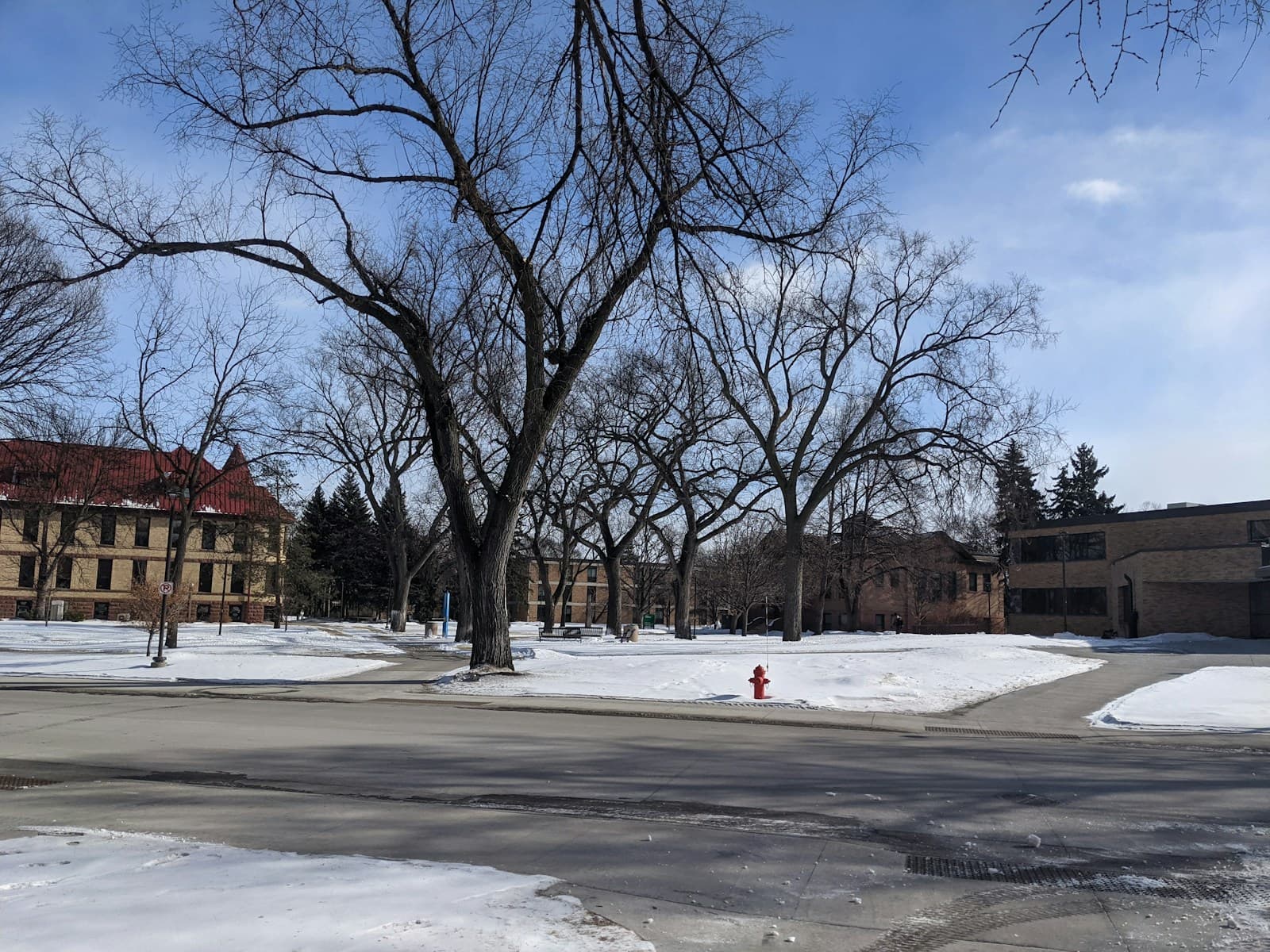
- Winter Weather Collision Patterns: Fargo averages 51 inches of snow annually with temperatures below freezing November through March, creating extended ice and visibility hazards. High-risk drivers with prior at-fault accidents face steeper rate increases here because winter collision frequency is significantly higher than in temperate markets, and carriers price three-year SR-22 periods knowing multiple winters increase claim probability.
- Limited Non-Standard Carrier Competition: Fargo's smaller metro population (roughly 125,000) means fewer non-standard auto carriers actively write policies compared to Minneapolis or Bismarck. Drivers needing SR-22 often work with regional specialists or national high-risk writers, and limited local competition can keep rates $30–$60/month higher than in larger North Dakota markets with more carrier options.
- I-29 and I-94 Traffic Enforcement: Fargo sits at the intersection of I-29 and I-94, both heavily patrolled corridors with consistent speed and DUI enforcement by North Dakota Highway Patrol and Cass County Sheriff. Drivers with existing violations face compounding rate impacts if cited again on these routes during their SR-22 period, as carriers treat multi-violation profiles as exponentially higher risk.
- Uninsured Motorist Rate Context: North Dakota's uninsured motorist rate typically runs 8–10%, lower than the national average but still meaningful in a small metro. High-risk drivers already paying elevated premiums should consider uninsured motorist coverage because even a not-at-fault claim can trigger rate reviews during an SR-22 filing period, and protecting against uninsured drivers reduces your financial exposure.
- State Minimum vs. Adequate Coverage Gap: North Dakota's 25/50/25 minimums are among the lowest in the region, but Fargo's median home value near $250,000 means at-fault high-risk drivers face severe asset exposure with minimum-only policies. Carriers offering SR-22 often require 50/100/50 or higher as underwriting conditions, pushing monthly costs up but reducing catastrophic liability risk in serious accidents.
Find out exactly how long SR-22 is required in your state
Coverage Recommendations
Cost estimates are based on available industry data and vary by driver profile. These are not insurance quotes.
SR-22 Insurance
SR-22 is a certificate your insurer files with North Dakota confirming you carry at least state minimum liability; it's required for three years after most DUI convictions, multiple violations, or driving uninsured. In Fargo, the filing itself costs $25–$50, but the high-risk premium attached to the underlying policy is what drives your monthly cost to $150–$320/month for full coverage.
$25–$50 filing + elevated premiumEstimated range only. Not a quote.
Full Coverage
Full coverage (liability + collision + comprehensive) is critical for high-risk Fargo drivers with financed vehicles or significant assets, as winter weather and interstate traffic create elevated accident risk during your SR-22 period. Expect $150–$320/month based on violation type, compared to $90–$140/month for clean-record drivers in the same metro.
$150–$320/mo for high-riskEstimated range only. Not a quote.
Liability Insurance
North Dakota requires 25/50/25 liability minimums, but high-risk drivers in Fargo should strongly consider 50/100/50 or 100/300/100 given local asset values and the fact that at-fault claims during your SR-22 period can lead to policy non-renewal. Liability-only SR-22 policies in Fargo typically run $80–$150/month depending on your violation history.
$80–$150/mo liability-only SR-22Estimated range only. Not a quote.
Non-Standard Auto Insurance
Non-standard carriers specialize in high-risk profiles including DUIs, lapses, and multiple violations; in Fargo, these include regional specialists and national high-risk writers who actively file SR-22 certificates. Rates from non-standard carriers run 40–80% higher than standard market, but they provide coverage when preferred carriers decline, and some offer step-down programs that reduce rates after 12–18 months of clean driving.
40–80% above standard ratesEstimated range only. Not a quote.