
What Affects Rates in Portland
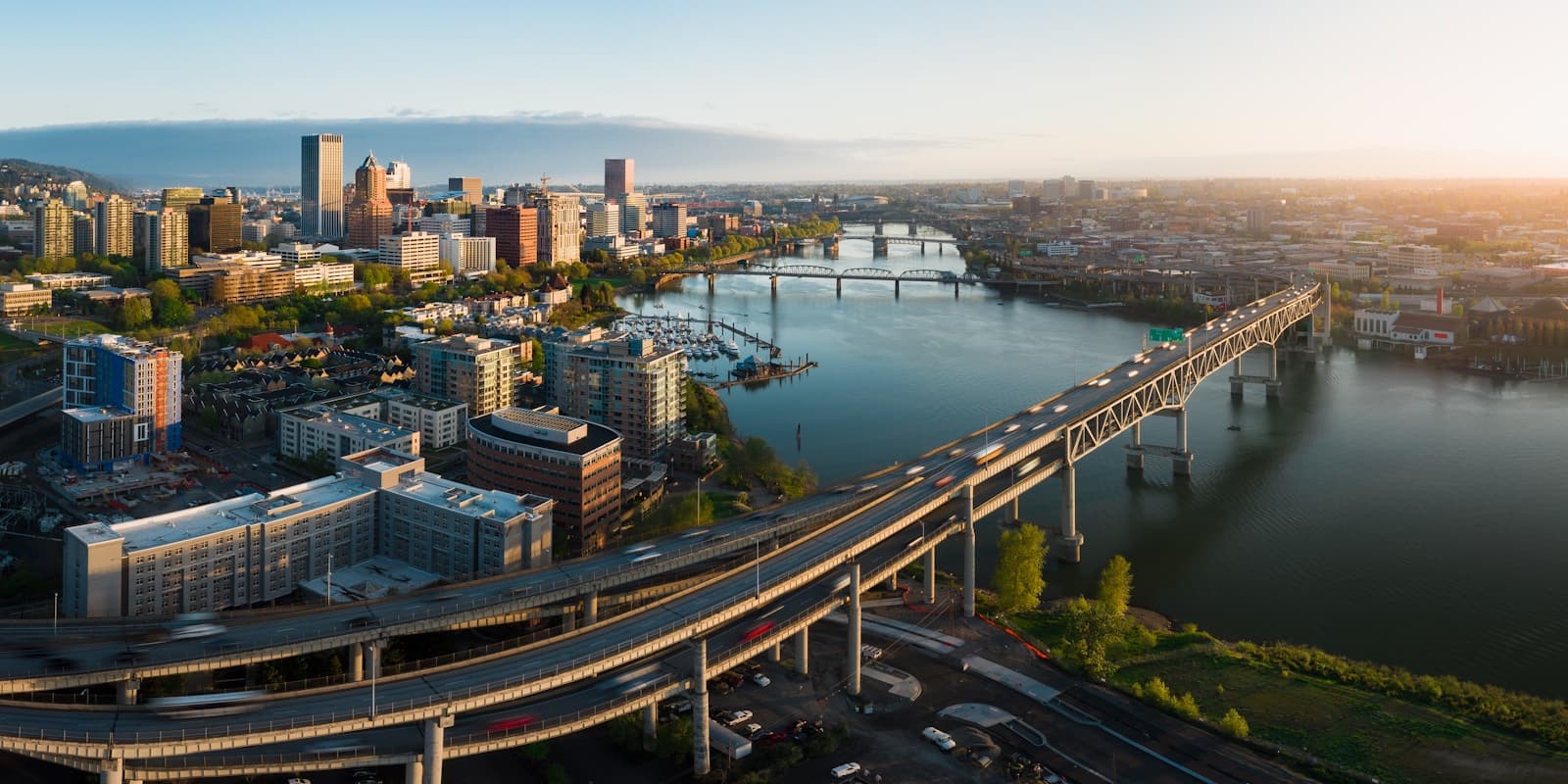
- Urban Traffic Density: Portland's concentrated downtown core and bridge-dependent commute routes create higher accident exposure, pushing high-risk premiums up 15–25% compared to suburban Oregon markets. Carriers price metro density as persistent risk even after your violation ages.
- Multnomah County Court Processing: DUI and reckless driving cases processed through Multnomah County courts trigger immediate DMV notification, often before conviction. High-risk carriers pull driving records here frequently, so expect rate changes within 30–45 days of your violation date.
- Uninsured Driver Concentration: Portland's uninsured motorist rate runs higher than Oregon's state average, elevating uninsured/underinsured motorist coverage costs. High-risk drivers see this reflected in full-coverage quotes, which can add $30–$60/month over liability-only.
- Winter Weather Claims Frequency: Ice storms and freezing rain between December and February spike collision claims in the Portland metro area. Drivers with at-fault accidents already on record face steeper comprehensive and collision premiums due to perceived weather-related risk.
- Public Transit Access: TriMet coverage in Portland allows some high-risk drivers to reduce annual mileage, which can lower premiums by 10–15% if you report under 7,500 miles/year. Non-standard carriers in Oregon often offer low-mileage discounts unavailable from standard insurers.
Find out exactly how long SR-22 is required in your state
Coverage Recommendations
Cost estimates are based on available industry data and vary by driver profile. These are not insurance quotes.
SR-22 Insurance
Oregon SR-22 is a certificate your insurer files with the DMV proving you carry at least state minimum liability (25/50/20). In Portland, expect the filing itself to cost $25–$50, but the underlying high-risk policy drives the real expense: $150–$350/month depending on your violation.
$150–$350/mo including SR-22 filingEstimated range only. Not a quote.
Non-Standard Auto Insurance
Non-standard carriers writing Portland include Progressive, The General, and Bristol West. These insurers specialize in DUI, suspended license, and lapse cases, often offering monthly payment plans and immediate SR-22 filing where standard carriers decline coverage outright.
$125–$300/mo liability-onlyEstimated range only. Not a quote.
Liability Insurance
Oregon's 25/50/20 minimum covers $25,000 per person/$50,000 per accident for bodily injury and $20,000 for property damage. High-risk drivers in Portland should consider 50/100/50 or higher—bridge collision or multi-car pileup claims in metro traffic regularly exceed state minimums.
$100–$250/mo for state minimumsEstimated range only. Not a quote.
Full Coverage
Full coverage (liability + collision + comprehensive) in Portland runs $200–$450/month for high-risk drivers, based on available industry data. If your vehicle is financed or worth over $5,000, lenders require it, and Portland's higher theft and weather-related claims push comprehensive costs above state averages.
$200–$450/mo for high-risk profilesEstimated range only. Not a quote.