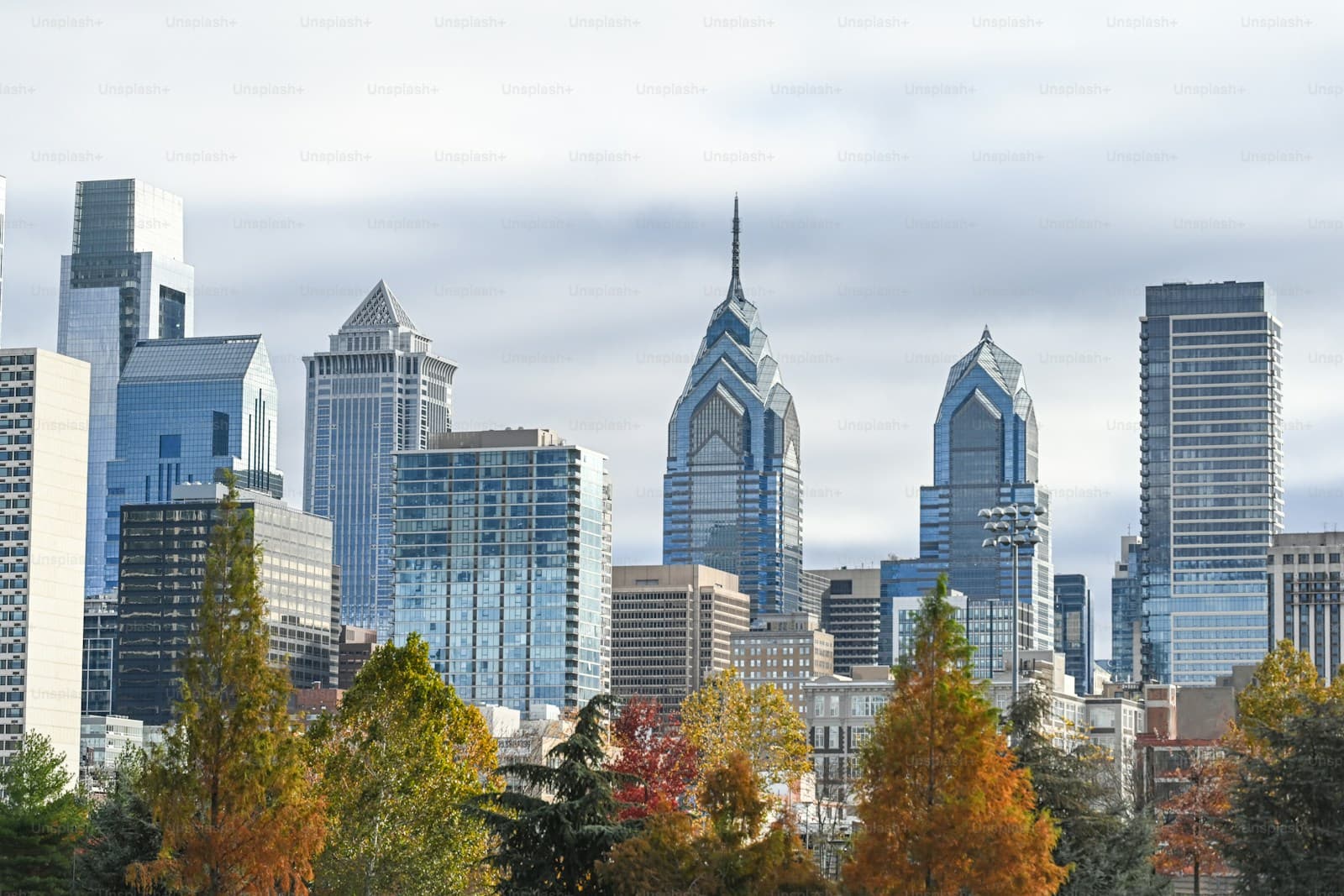
What Affects Rates in Philadelphia
- Center City Traffic Density: Philadelphia's urban core experiences heavy congestion on I-76 (Schuylkill Expressway), I-95, and arterial routes like Broad Street, increasing accident likelihood for drivers with prior violations. High-risk carriers price this density into premiums, making Philadelphia rates 15–25% higher than surrounding counties like Montgomery or Delaware for the same violation history.
- Elevated Uninsured Driver Rate: Philadelphia County typically carries higher uninsured motorist percentages than suburban Pennsylvania areas, driving up uninsured/underinsured motorist coverage costs. Drivers with SR-22 requirements face compounded premium increases as carriers account for both violation risk and collision exposure in densely populated corridors.
- Pennsylvania Choice No-Fault System: Pennsylvania's hybrid tort system allows drivers to select limited or full tort coverage, directly affecting premiums after violations. High-risk drivers choosing full tort for lawsuit rights pay 15–30% more than limited tort, but those with at-fault accidents may find limited tort insufficient for defense costs in Philadelphia's litigious environment.
- Winter Weather and Road Conditions: Philadelphia experiences freezing precipitation and snow events that increase winter accident rates on highways and neighborhood streets with older infrastructure. Carriers assign higher comprehensive and collision premiums to high-risk drivers here compared to milder Pennsylvania regions, particularly for those with prior at-fault winter accidents.
- Municipal Court DUI Processing Volume: Philadelphia Municipal Court processes significant DUI caseload, and carriers track conviction timing closely for SR-22 filers. The 3-year SR-22 period begins at conviction date, and any lapse triggers PennDOT suspension and restart of the filing clock, making continuous coverage critical in this jurisdiction.

Find out exactly how long SR-22 is required in your state
Coverage Recommendations
Cost estimates are based on available industry data and vary by driver profile. These are not insurance quotes.
SR-22 Insurance
SR-22 is a certificate filed by your insurer with PennDOT proving you carry Pennsylvania's minimum liability (15/30/5 in most cases). In Philadelphia, non-standard carriers like The General, Direct Auto, and Progressive's high-risk division write SR-22 policies starting around $140/month for liability-only, with continuous coverage required for 3 years to avoid license suspension.
$140–$280/mo liabilityEstimated range only. Not a quote.
Liability Insurance
Pennsylvania requires 15/30/5 minimum liability, but Philadelphia drivers with violations should consider 50/100/50 or higher given the city's elevated accident rates and lawsuit exposure. High-risk carriers price liability at $140–$280/month for minimum limits; increasing to 100/300/100 adds $40–$80/month but provides critical protection in dense urban traffic.
$140–$280/mo minimum limitsEstimated range only. Not a quote.
Full Coverage
Full coverage (liability, collision, comprehensive) for high-risk drivers in Philadelphia typically costs $280–$450/month with $500–$1,000 deductibles. This becomes essential if you're financing a vehicle or face frequent winter weather damage, but collision premiums spike 40–60% after at-fault accidents in the city's congested corridors.
$280–$450/moEstimated range only. Not a quote.
Non-Standard Auto Insurance
Non-standard carriers specialize in high-risk profiles including DUIs, suspensions, and multiple violations. In Philadelphia, carriers like Dairyland, Bristol West, and Acceptance write policies standard carriers decline, with monthly payments typically 20–35% higher than preferred rates but offering path to standard market after 6–12 months of clean driving and continuous coverage.
20–35% above standard ratesEstimated range only. Not a quote.