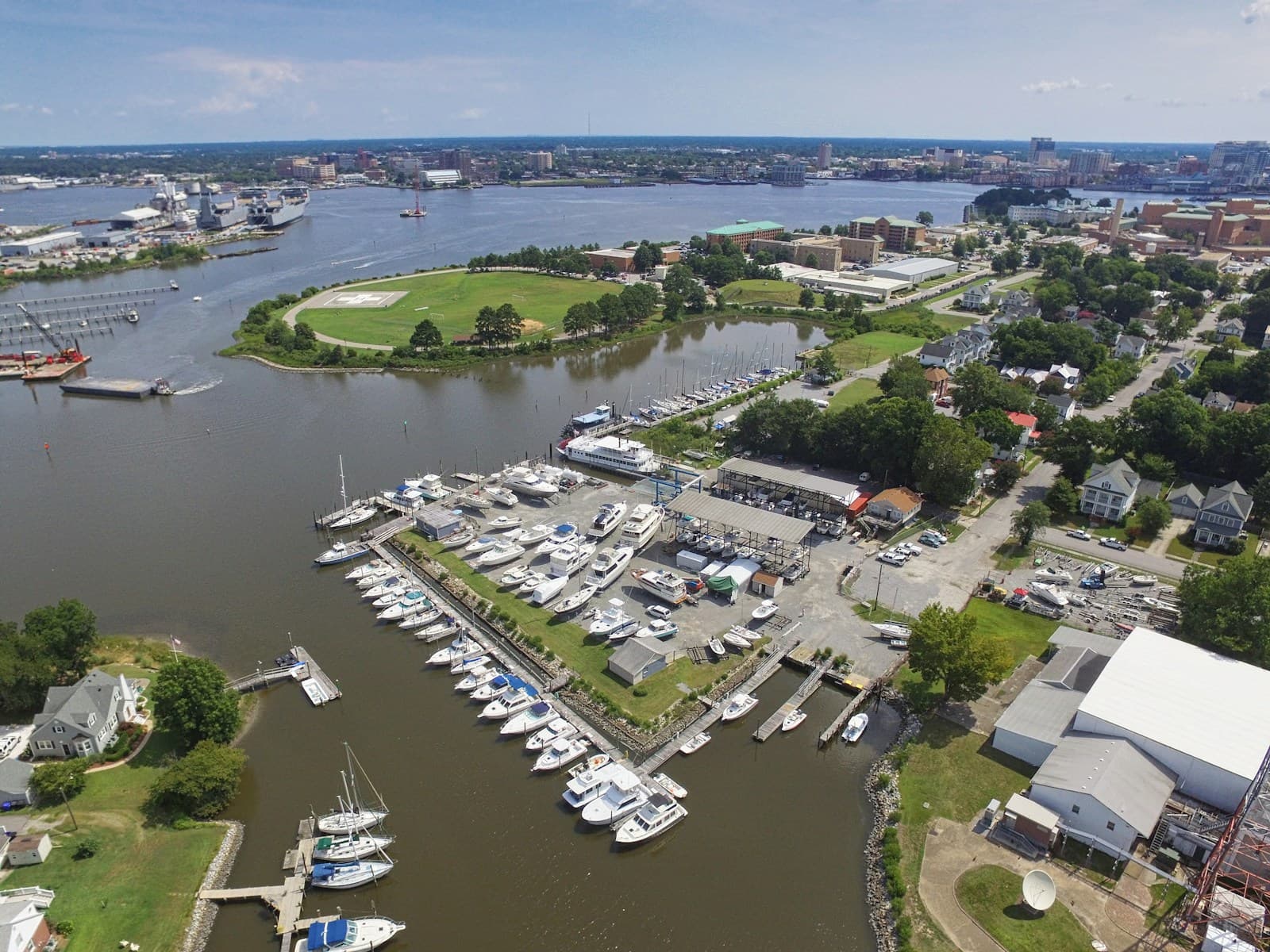
What Affects Rates in Portsmouth
- Hampton Roads Regional Traffic Density: Portsmouth sits at the junction of I-264 and I-664 connecting Norfolk, Chesapeake, and Virginia Beach, creating high-density commuter corridors where accident frequency elevates rates for drivers with existing violations. Carriers writing high-risk policies in this metro area price in the regional congestion patterns, typically adding 12–18% to base premiums compared to rural Virginia markets.
- Midtown and Downtown Tunnel Corridors: Daily commutes through the Downtown and Midtown Tunnels increase exposure for Portsmouth drivers, and carriers adjust premiums for drivers with at-fault accidents who regularly navigate these chokepoints. High-risk drivers living in zip codes 23701 and 23704 near tunnel approaches often see slightly elevated quotes due to documented accident concentration in these areas.
- Uninsured Motorist Concentration: Hampton Roads consistently reports above-average uninsured driver rates compared to Virginia's state average, and this directly impacts uninsured motorist coverage costs for high-risk drivers. Carriers writing SR-22 policies in Portsmouth typically require or strongly recommend uninsured motorist coverage at higher limits, adding $25–$60/mo to total premiums.
- Virginia Beach General District Court Processing: Portsmouth traffic violations are processed through local General District Court, but DUI cases and license suspensions connect to DMV processing timelines that affect SR-22 filing urgency. Drivers typically have 30 days from conviction or suspension notice to file SR-22 before facing additional penalties, making immediate carrier selection critical in Portsmouth.
- Naval Station and Shipyard Commuter Patterns: Proximity to Norfolk Naval Shipyard creates concentrated weekday commuter traffic on High Street, Effingham Street, and George Washington Highway, where rush-hour incidents are frequent. High-risk drivers commuting to shipyard shifts face premium adjustments reflecting these peak-hour exposure patterns, particularly if their violation history includes rush-hour incidents.
Find out exactly how long SR-22 is required in your state
Coverage Recommendations
Cost estimates are based on available industry data and vary by driver profile. These are not insurance quotes.
SR-22 Insurance
SR-22 is a certificate filed by your carrier proving you carry Virginia's minimum liability coverage ($25,000/$50,000/$20,000). In Portsmouth, non-standard carriers typically file electronically with Virginia DMV within 1–3 business days, and any lapse triggers immediate suspension notification to DMV, restarting your 3-year filing clock.
$15–$50 filing fee plus elevated premiumEstimated range only. Not a quote.
Liability Insurance
Virginia requires 25/50/20 minimum liability, but high-risk drivers in Portsmouth should strongly consider 50/100/40 or higher given contributory negligence laws that bar recovery if you're even 1% at fault. Increasing liability limits from minimum to 100/300/50 typically adds $30–$70/mo but provides critical protection in Hampton Roads' congested traffic environment.
$80–$200/mo for minimum; $110–$270/mo for 100/300/50Estimated range only. Not a quote.
Non-Standard Auto Insurance
Non-standard carriers specialize in writing policies for drivers with DUIs, suspensions, or multiple violations that standard carriers decline. In Portsmouth, regional non-standard carriers often beat national brands by $40–$90/mo for identical coverage, and they're more flexible with payment plans during your VASAP enrollment period or license reinstatement process.
$150–$350/mo typical rangeEstimated range only. Not a quote.
Full Coverage
Full coverage combines liability, collision, and comprehensive, required if you're financing a vehicle or want protection for your own car after an at-fault accident. High-risk drivers in Portsmouth financing vehicles through subprime lenders typically pay $220–$450/mo for full coverage, with deductibles of $500–$1,000 helping manage monthly costs while meeting lender requirements.
$220–$450/mo with $500–$1,000 deductiblesEstimated range only. Not a quote.