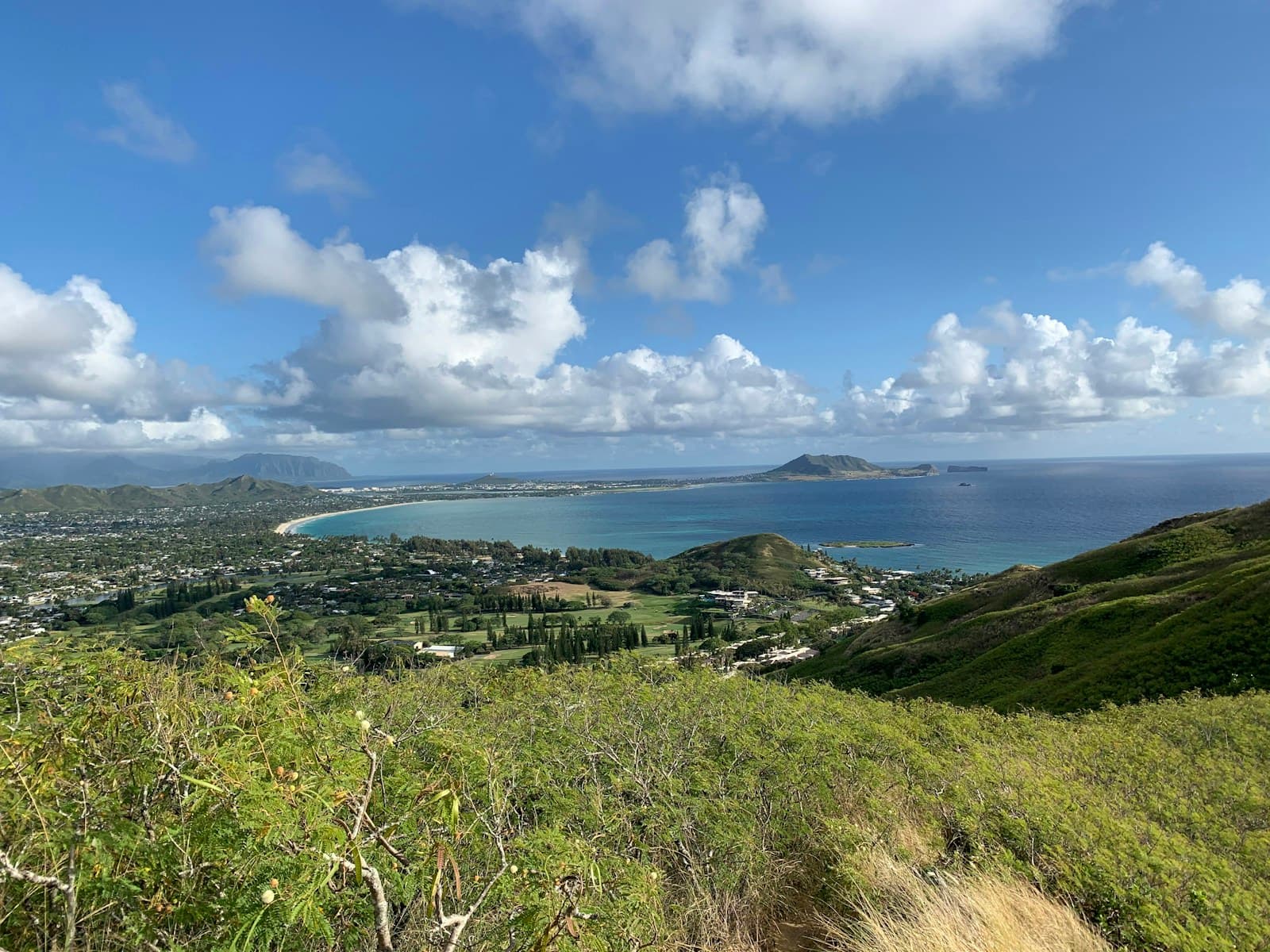
What Affects Rates in Kailua
- Tourist-Driven Traffic Density: Kailua Beach Park and Lanikai Beach draw heavy visitor traffic year-round, increasing congestion on Kalanianaole Highway and Kailua Road. High-risk drivers face elevated collision premiums due to consistent accident exposure in these corridors, particularly during peak vacation seasons from June through August.
- Limited Carrier Competition: Fewer non-standard carriers operate in Hawaii compared to mainland markets, reducing competition for high-risk policies in Kailua. Drivers with DUIs or SR-22 requirements typically quote with 2–4 specialist carriers versus 8–10 options available in comparable mainland cities, which narrows rate negotiation leverage.
- Uninsured Motorist Prevalence: Hawaii's estimated uninsured driver rate of 9–12% affects Kailua premiums, especially for high-risk drivers who cannot afford to drop uninsured motorist coverage. Carriers price this risk into SR-22 policies given the financial profile of drivers with recent violations.
- Windward Coast Weather Exposure: Kailua's windward location means frequent rain and flash flooding on valley-adjacent roads, raising comprehensive claim frequency. High-risk drivers adding full coverage after a violation see elevated comprehensive premiums compared to leeward Oahu cities with drier conditions.
- No-Fault PIP Requirement: Hawaii mandates $10,000 minimum Personal Injury Protection, which non-standard carriers rarely waive even for liability-only seekers. This $10,000 PIP floor adds $40–$80/mo to Kailua high-risk policies that mainland equivalent drivers might avoid in tort states.
Find out exactly how long SR-22 is required in your state
Coverage Recommendations
Cost estimates are based on available industry data and vary by driver profile. These are not insurance quotes.
SR-22 Insurance
SR-22 is a certificate filed by your insurer proving you carry Hawaii's minimum liability ($20,000/$40,000/$10,000) plus mandatory PIP. In Kailua, expect a one-time filing fee of $25–$50 and monthly premiums of $180–$350/mo depending on your violation type; DUIs command the highest rates while at-fault accidents or lapses sit at the lower end.
$180–$350/mo + $25–$50 filing feeEstimated range only. Not a quote.
Non-Standard Auto Insurance
Non-standard carriers specialize in high-risk profiles—DUIs, multiple violations, license suspensions—and operate in Kailua through regional programs. Rates typically run 40–80% higher than standard market, but these carriers approve drivers that preferred insurers decline outright.
$200–$400/mo for liability + PIPEstimated range only. Not a quote.
Liability Insurance
Hawaii requires $20,000 bodily injury per person, $40,000 per accident, and $10,000 property damage. High-risk drivers in Kailua often carry state minimums to reduce premium, but tourist-heavy roads increase your exposure to multi-vehicle claims that exceed $10,000 property limits quickly.
$120–$220/mo for minimum limitsEstimated range only. Not a quote.
Full Coverage
Full coverage (liability + collision + comprehensive + PIP) in Kailua costs high-risk drivers $280–$500/mo. Windward weather and tourist congestion elevate collision and comprehensive claims, but drivers financing vehicles or seeking maximum protection after a violation prioritize this tier despite the cost.
$280–$500/mo based on available industry dataEstimated range only. Not a quote.